



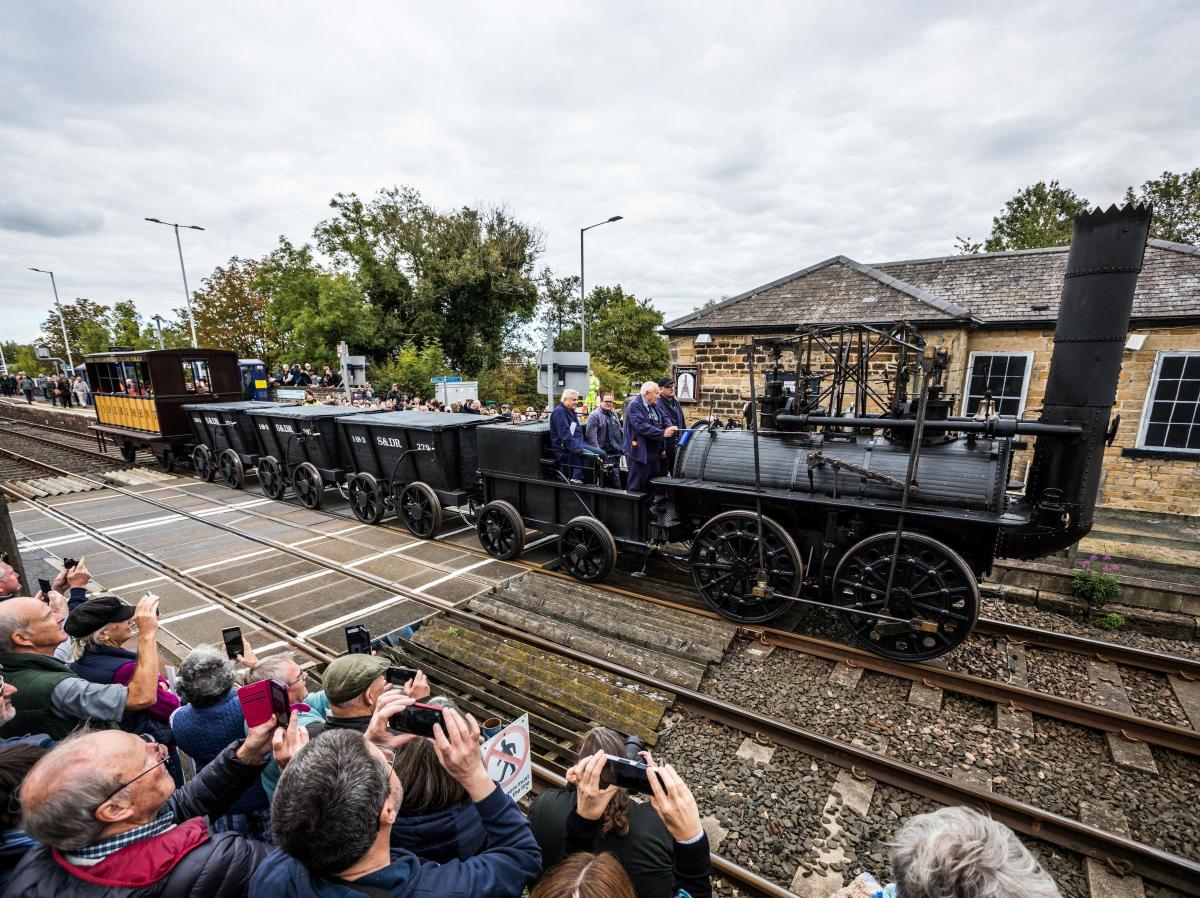
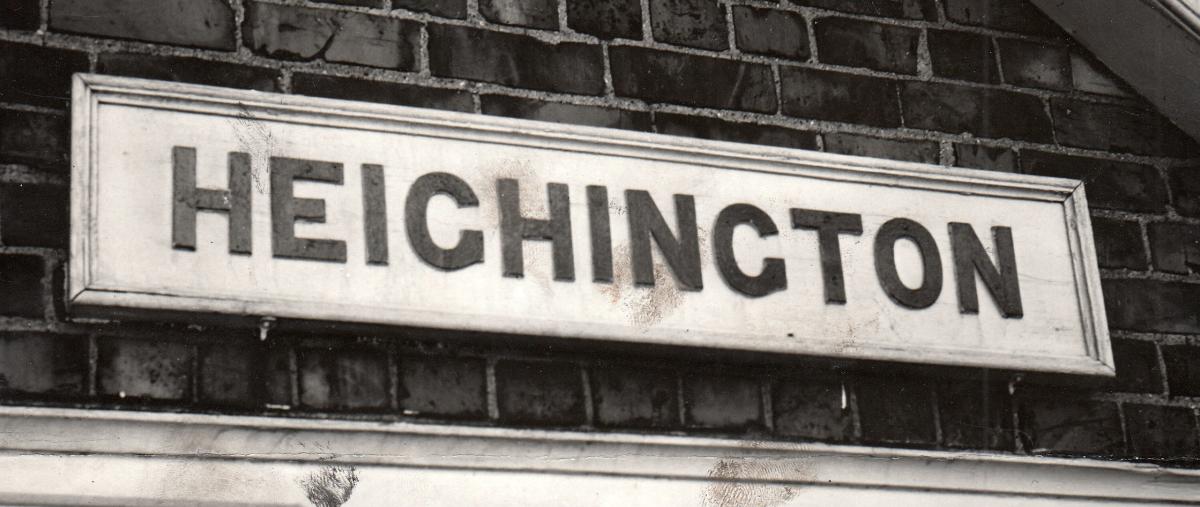





THE 201st anniversary of the railway that got the world on track is being celebrated with an all-day festival at the site of the world’s oldest railway station.
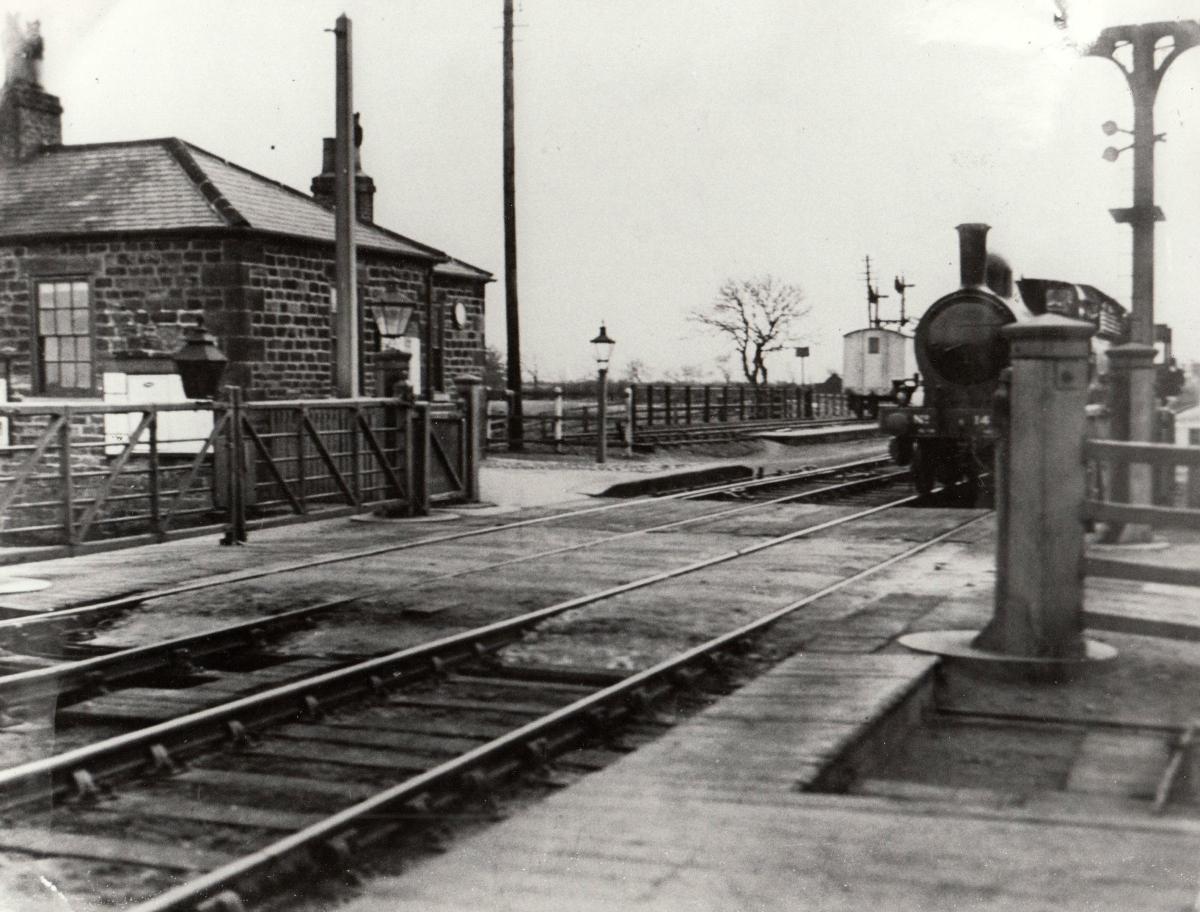
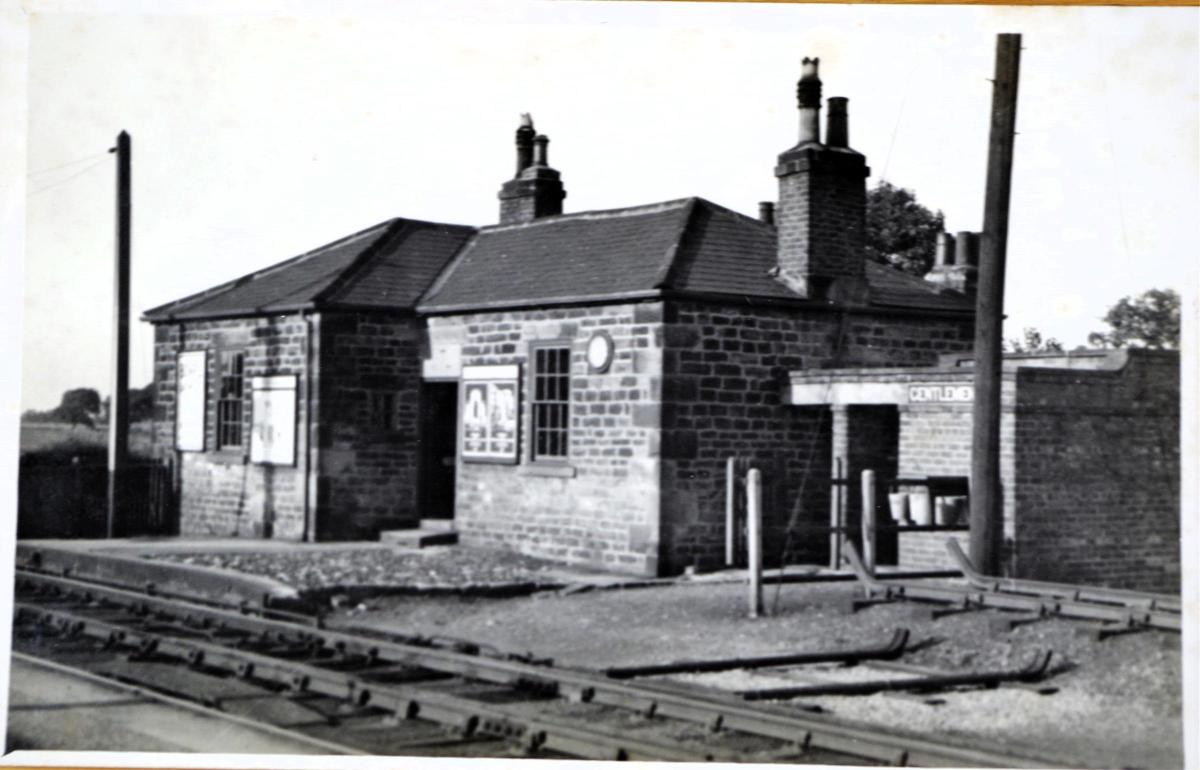
The event on Sunday, September 27, the day in 1825 that the Stockton & Darlington Railway opened, is being held at Heighington station where visitors will be able to enjoy hard hat tours of the derelict, but historic, building.
There will also be a vintage steam engine, a fairground steam organ playing modern and classic tunes, a blacksmith’s mini forge, plus pizzas, beer, coffee and cupcakes. There will be live music and the launch of a new children’s book, plus there will be opportunities to peer into the archaeology that is digging into the past of the station.

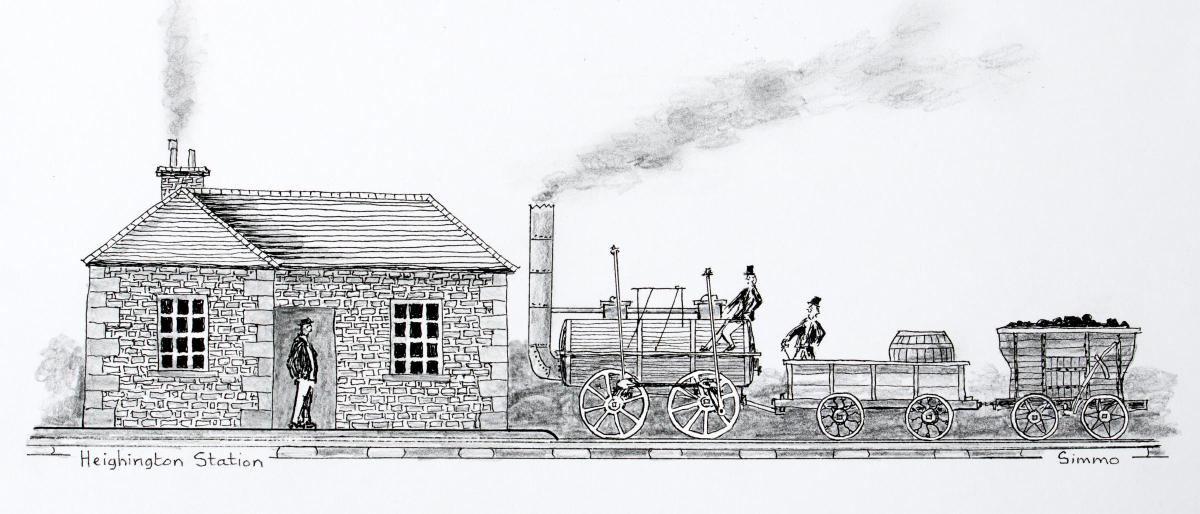
When the railway opened, no one had worked out how it was going to carry passengers, and so the lineside building is the first attempt anywhere in the world to provide the necessities for them: shelter, refreshments, access onto the train, access to railway officials to buy tickets or collect parcels…

The archaeology is attempting to see what the “station” looked like when it was first operational in 1827. For instance, there is an intriguing cobbled area between the building and the tracks – often referred to as the world’s first platform – so they are trying to find out whether it really is 200 years old.
They are also examining the various layers of paint on door and windowframes to find out the earliest colour scheme.

On opening day, Locomotion No 1 – which today is a rather drab looking beast in brown and black – was said to be in “gaudy colours”, but no one recorded what those colours were.
The cast iron Gaunless bridge from St Helen Auckland now stands in the Locomotion museum in Shildon painted in a distinctive bright green and white as paint analysis showed that these were its original colours when George Stephenson erected it in 1824.

As the railway directors were notoriously penny pinching, it is wondered if they used the same paint on Locomotion No 1 – and perhaps they extended that scheme from their first engine to their first station?
The station has been derelict since it finished as a pub in 2017. It has been bought for £285,000 by the Friends of the Stockton & Darlington Railway, with the huge assistance of Hitachi, with the ultimate goal of recreating it as a Georgian pub.

The Friends are organising the free festival, which will run from 10am to 4pm, with the local duo North Riding, who have written a song called Hopetown, performing at 11.45am and Sam Slacher, whose railway-themed album is called Passengers & Pioneers, performing at 1.45pm.
The postcode for Heighington station, which is on the outskirts of Newton Aycliffe, is DL5 6PX. There will be plenty of parking nearby.

HEIGHINGTON’S place in history is being brought to life for children in a new book by Caroline Hardie, a trustee of the Friends.
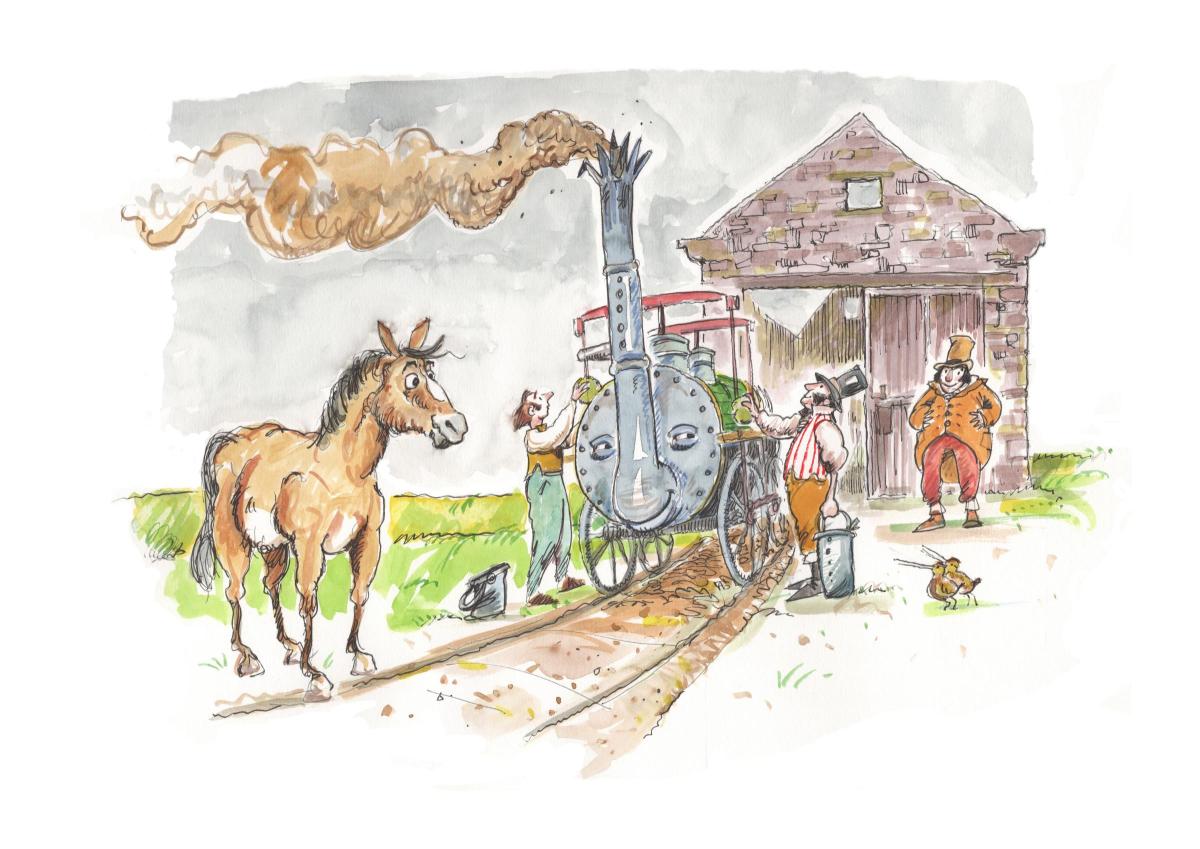
It is called Little Loco Arrives, and tells how Locomotion No 1 arrived in pieces at the station a week or so before opening day. The engine was assembled, and George Stephenson used a piece of glass that a labourer used to light his pipe to focus the rays of the sun into Locomotion No 1’s boiler to light it for the first time.
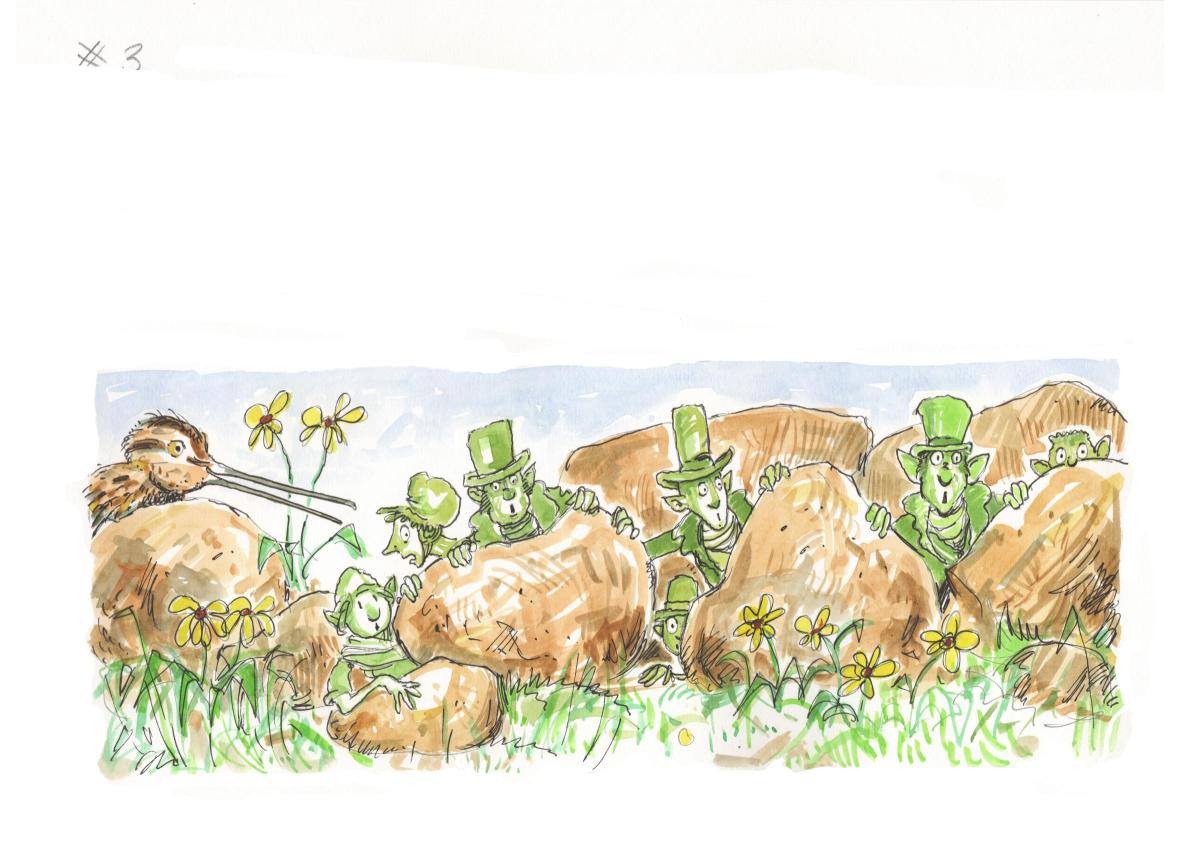
In Caroline’s book, the arrival of “the iron horse” is of real concern to Herald the (real) Horse who fears it will be made redundant by the new technology, and to the Middridge fairies who live along the line.

Although there may be some doubters, the Middridge fairies are a historical fact as in 1825, they were blamed for sabotaging the construction of the line. At night, when the labourers were at rest, they would cause the newly-laid tracks to disappear into muddy bogs.
The new book contains lively illustrations by John Pickin and is a prequel to Caroline’s last book, Little Loco’s Big Day, which told of Locomotion No 1’s inaugural journey on September 27, 1825. In the 200th anniversary year, Caroline took the story into countless primary schools to enthuse the children about their local history, and it is hoped that Little Loco Arrives will have a similar success.
Caroline is doing readings from the book at the festival, as well as selling copies and handing out Little Loco stickers.
The books are suitable for ages five to eight, and are available from Waterstones in Darlington, Drake the Bookshop in Stockton plus the railway museums along the line.

Heighington’s place in history
September 16, 1825
Locomotion No 1 arrives at the rural level crossing here and is assembled by George Stephenson, who rewards three local boys for their help in getting water from a nearby beck by giving them the first ride on the engine’s footplate.
September 27, 1825
On opening day, Locomotion No 1’s driver James Stephenson accelerates down the line past the level crossing at an extraordinary 15mph.
June 1826
The S&DR borrows £1,305 19s from Joseph Pease to build three lineside buildings to serve passengers and goods at Stockton, Darlington and the Aycliffe Lane level crossing.
Heighington stonemason John Falcus Carter builds the station with separate waiting rooms for men and women and a cobbled platform.

September 1827
The Durham Chronicle says that at the building people "await the arrival and departure of the numerous coaches which now traverse the railway" – it is functioning as the first station.
July 1, 1828
Locomotion No 1 explodes at the station. Driver John Cree dies two days later and water pumper Edward Turnbull was so splattered with droplets of boiling water "that his face was black and speckled like a Dalmatian dog ever after".
October 1829
Tenant Matthew Turnbull, effectively the stationmaster, is granted a licence to sell alcoholic refreshments. The building, known as the Railway Inn, is used by the world’s first railway commuters travelling to work in Darlington and Stockton.
1848
Its isolated location leads to its closure as an inn, but it continues as a station and stationmaster's residence.

1940-45
Around 20 trains a day stop at the station bringing bring workers to the vast Royal Ordnance Factory to make munitions.
1970s
British Rail downgrades Heighington to an unmanned halt.
1984
The building reopens as the Locomotion No 1 pub.
July 2017
Following vandalism and thefts, the pub closes
2025
The derelict, Grade II* listed building is on Historic England’s “at risk” register. The Friends launch a fund-raising campaign that, thanks to Hitachi, is successful in buying the building. Its saving is perhaps the greatest legacy of the bi-centenary.

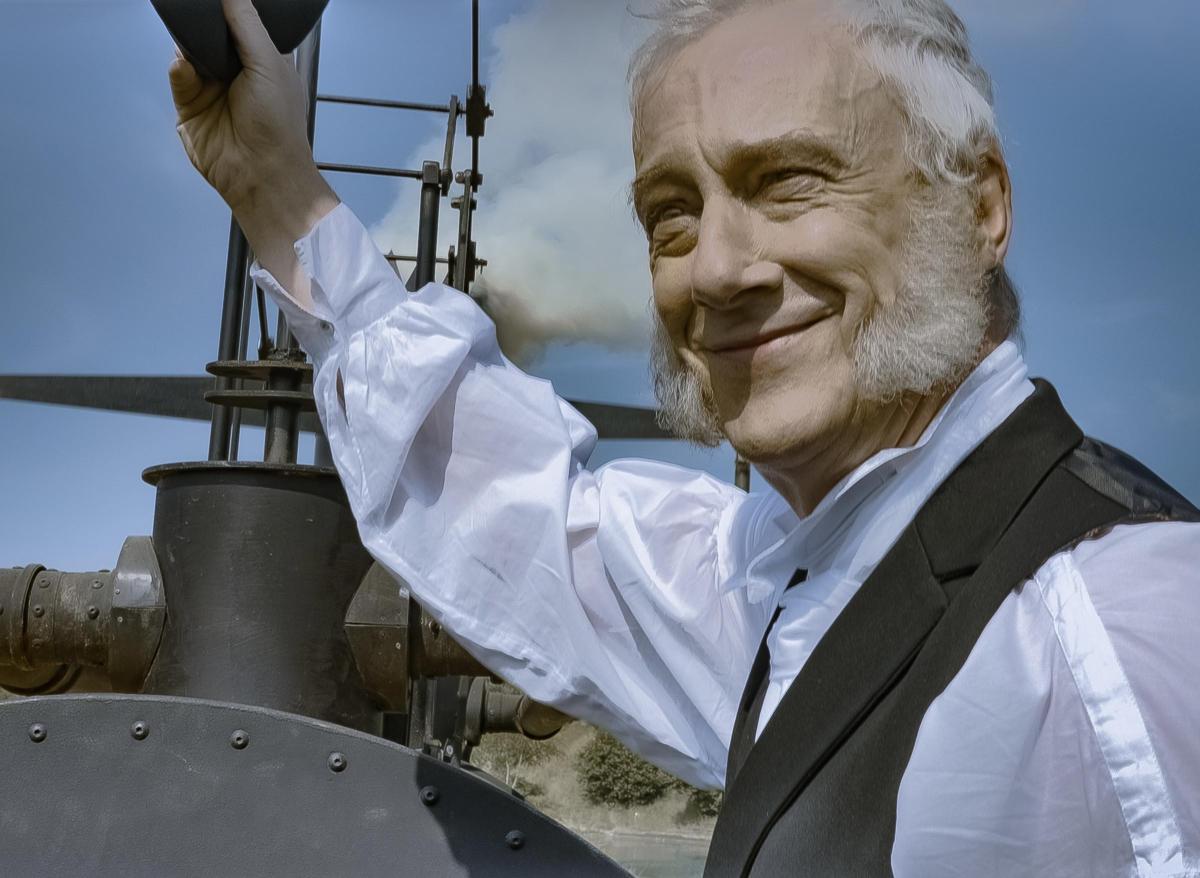
LEYBURN is celebrating the 201st anniversary of the Stockton & Darlington Railway with an evening on September 17 that culminates with the showing of Michael Smith’s acclaimed docudrama, The First Five Miles featuring renowned actor Stephen Tompkinson.
The evening at the Leyburn Arts & Community Centre starts at 7pm when Chris Lloyd, who compiles this column, will be giving his illustrated talk, entitled “The Railway that Got the World On Track”, about how the world’s first modern railway came into being and the exciting scenes on opening day.
It will be followed by complimentary cake and a cuppa, and then the 45 minute film, made by Witton Park film student Michael and starring Tompkinson, who is instantly recognisable from his appearances in Drop the Dead Donkey, Ballykissangel, Grafters, Wild at Heart and DCI Banks.
To book tickets, go to leyburnartscentre.com


Share