



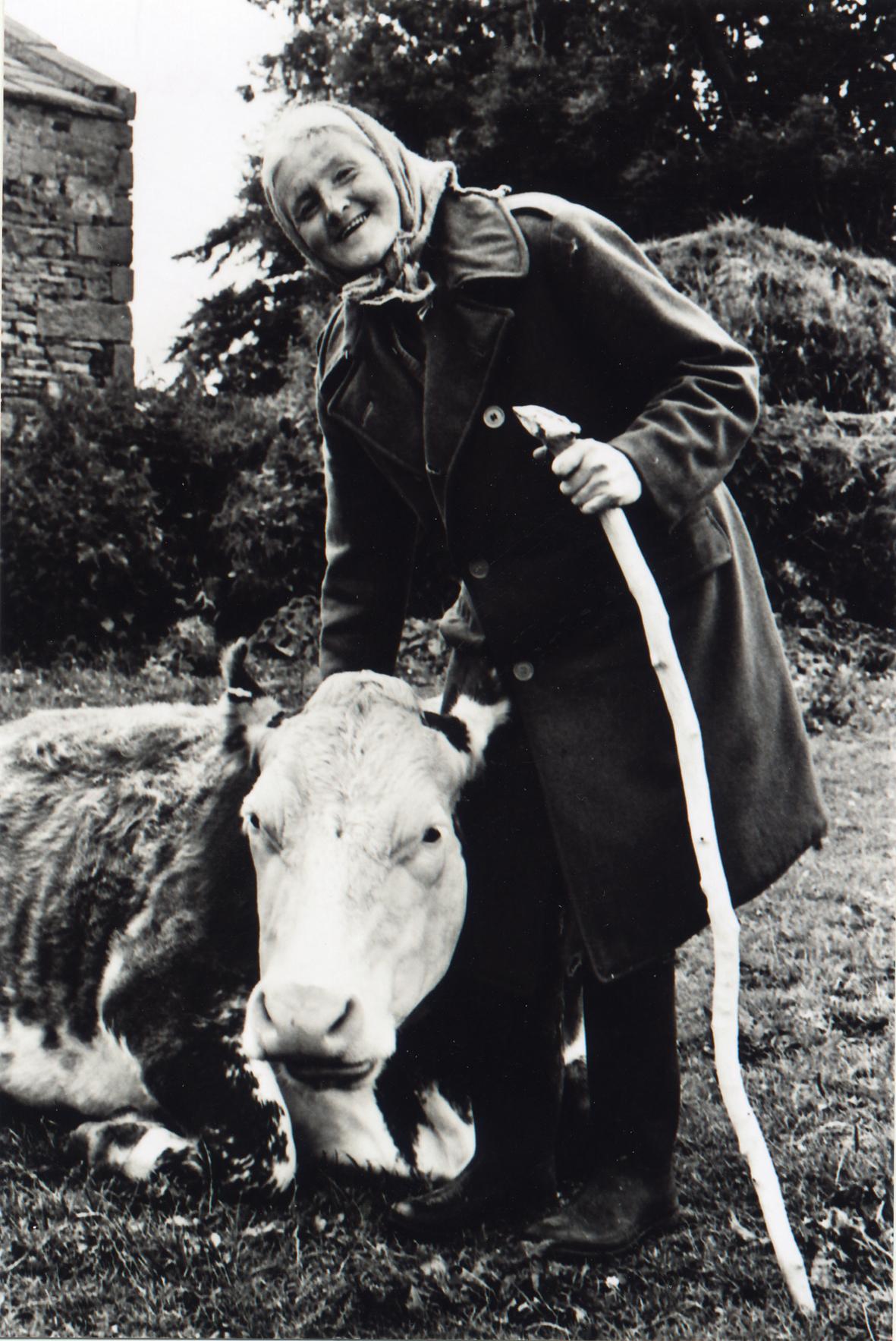
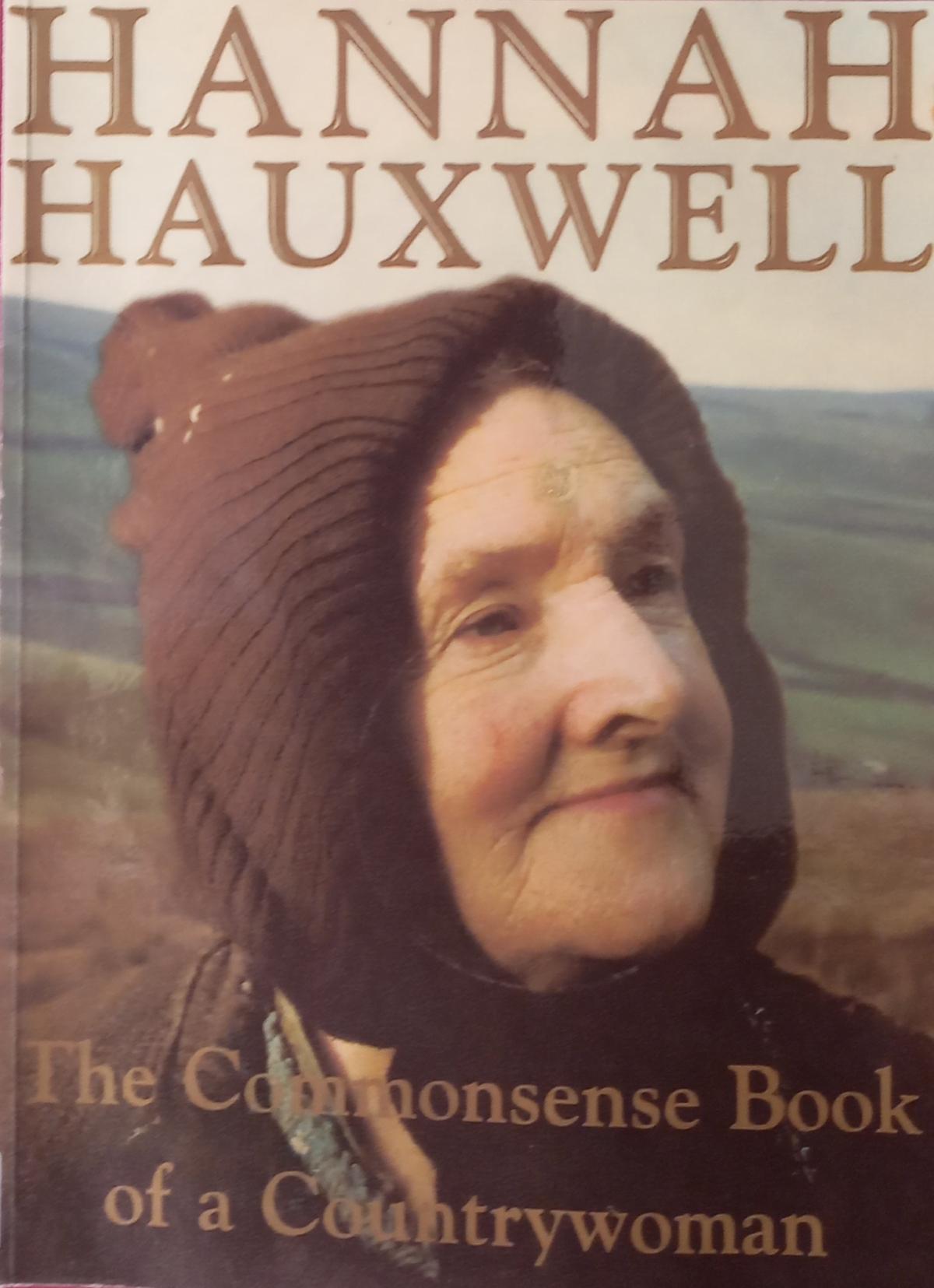
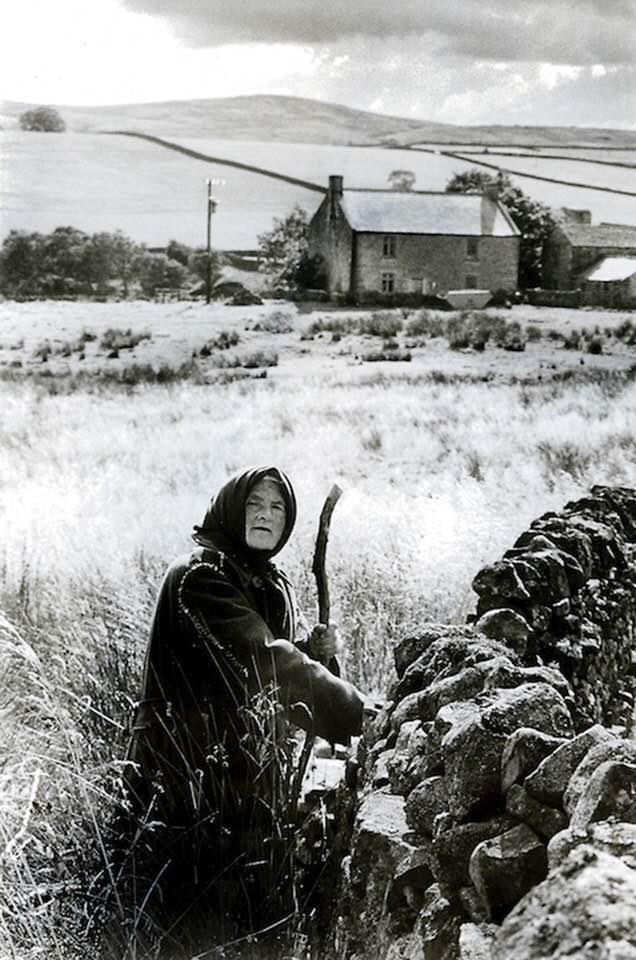

IT is exactly 100 years since Hannah Hauxwell was born in the remotest corner of Teesdale into a rural way of life that even back then was fast fading out.
To commemorate her centenary, the Fitzhugh Library in Middleton-in-Teesdale is putting on a special exhibition for Heritage Open Days, beginning next Friday (September 11).
After Hannah’s death in 2018, the library received a wealth of material relating to her life – her farm receipts, letters, photographs and school books. It also relates to the lives of previous generations of her family which was scattered across remote farmsteads but which somehow managed to pull together.
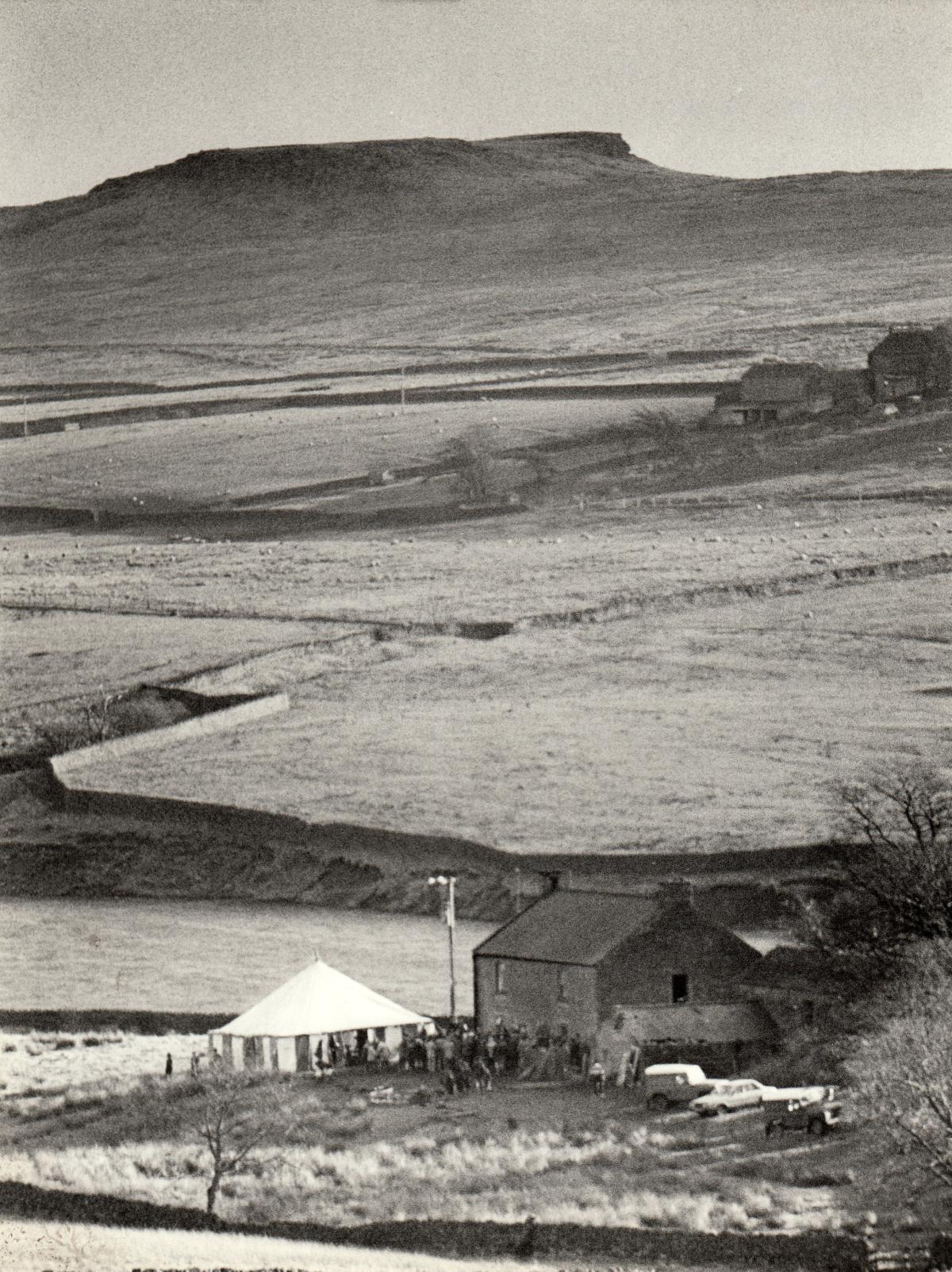
The bare bones of Hannah’s story are well remembered. She was born on August 1, 1926, in Baldersdale, which was until 1974, Yorkshire’s most northerly dale.
When she was three, her parents moved into a family farmstead, Low Birk Hatt, which had become available.
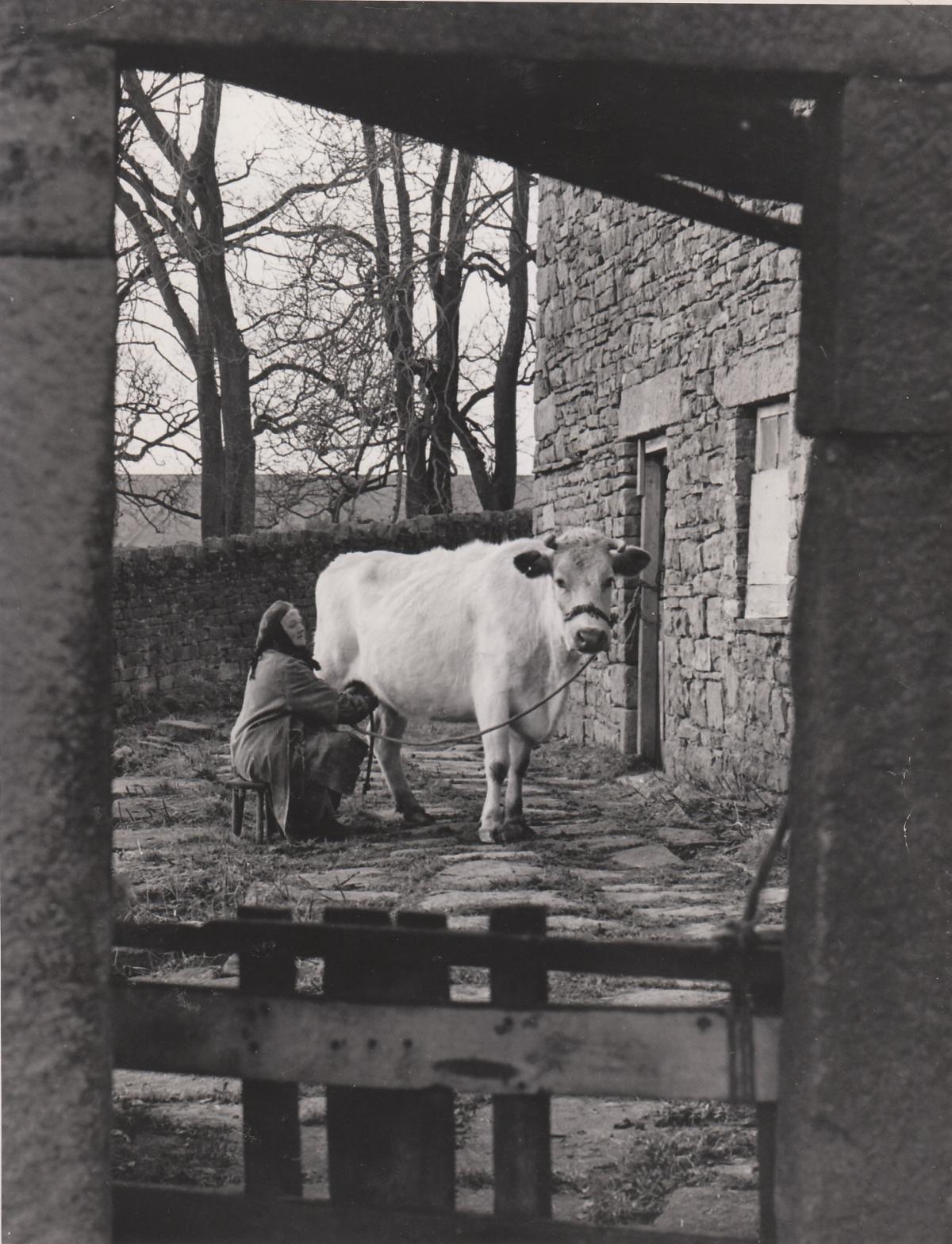
Here she lived for the next 59 years watching the tide of hill farming going out. The dale depopulated, so schools, chapels, pubs and shops shut, and the older generations of her own family died out so that from 1961, she was farming all alone out in the wilds, somehow scratting a living from her 78 acres of grazing and five cows.
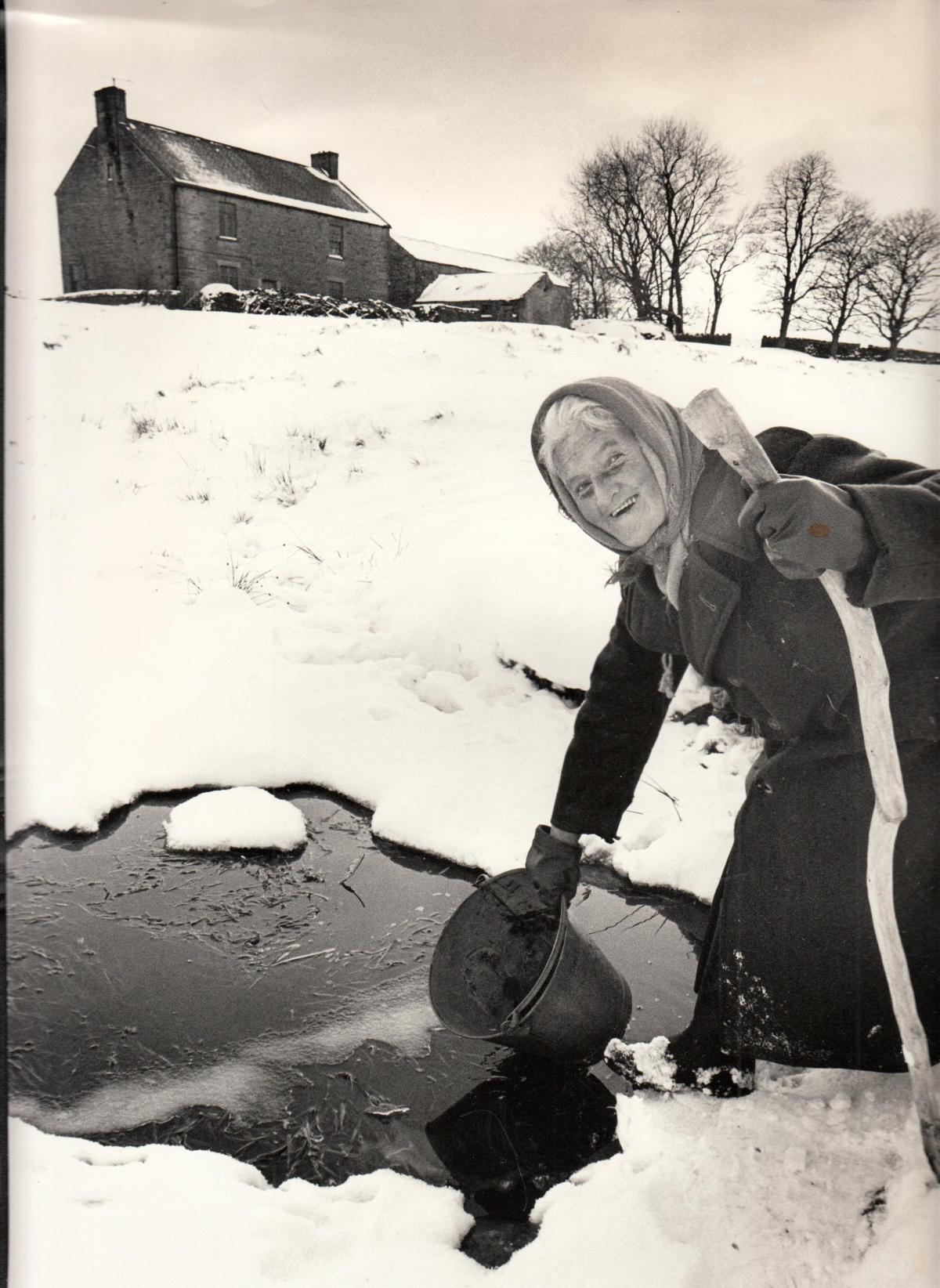
Groceries were delivered once a month to a farm a mile away; the coalman came once a year. There was no electricity and water came from a crystal clear stream, which was dry in a heatwave and frozen in a cold spell.


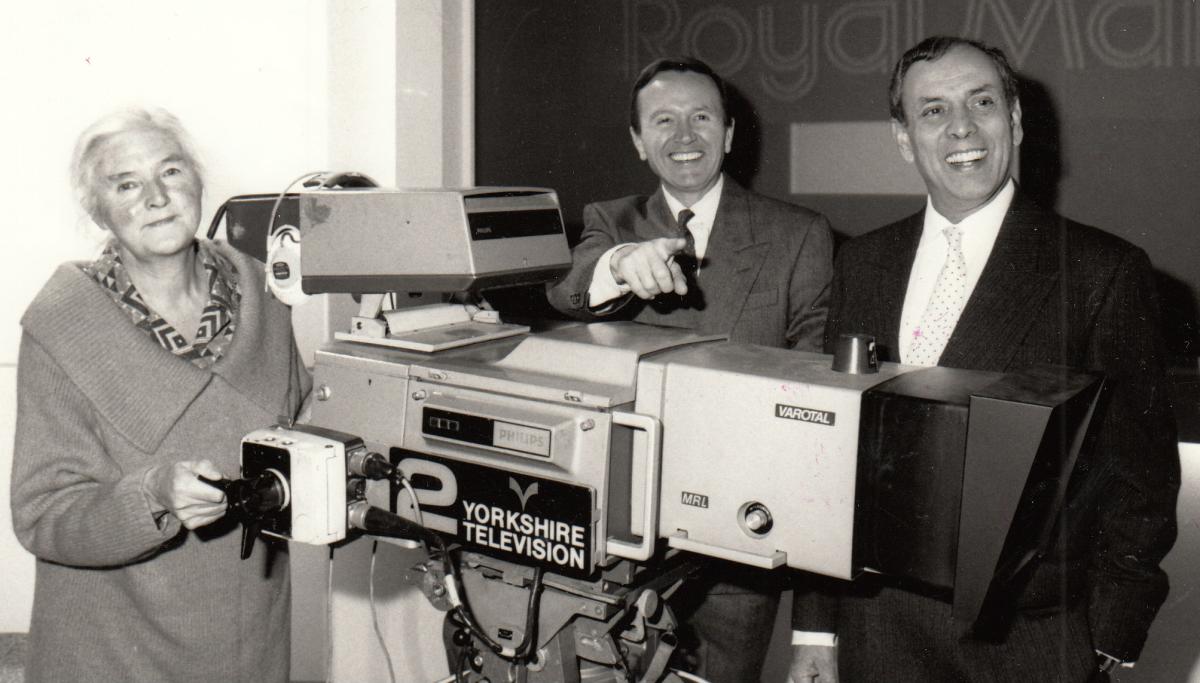
But all that changed in 1973 when “the loneliest woman in the world” was discovered by Yorkshire TV producer Barry Cockcroft and her programme, Too Long A Winter, was broadcast, turning her into the first reality TV star – without Hannah Hauxwell there would be no Amanda Owens.

The romantic harshness of her life, and her doughty determination to overcome it, struck many chords with viewers.
Electricity Board workers donated money and time to connect her lonely farmhouse up to the National Grid and her fans sent her a cooker, electric iron, television and washing machine to plug in.
By 1980, when she was invited to Buckingham Palace, she was rural royalty: the best known face of agriculture in the country. More than just farming, as Jeremy Clarkson does today, she was also clinging to the remote way of life that her ancestors had enjoyed and endured for generations.

She lasted in the Baldersdale wilderness until 1988, when aged 62, time was catching up with her way of life. She sold the farmstead and moved into the metropolis of Cotherstone where her comfortable cottage had central heating and running warm water.
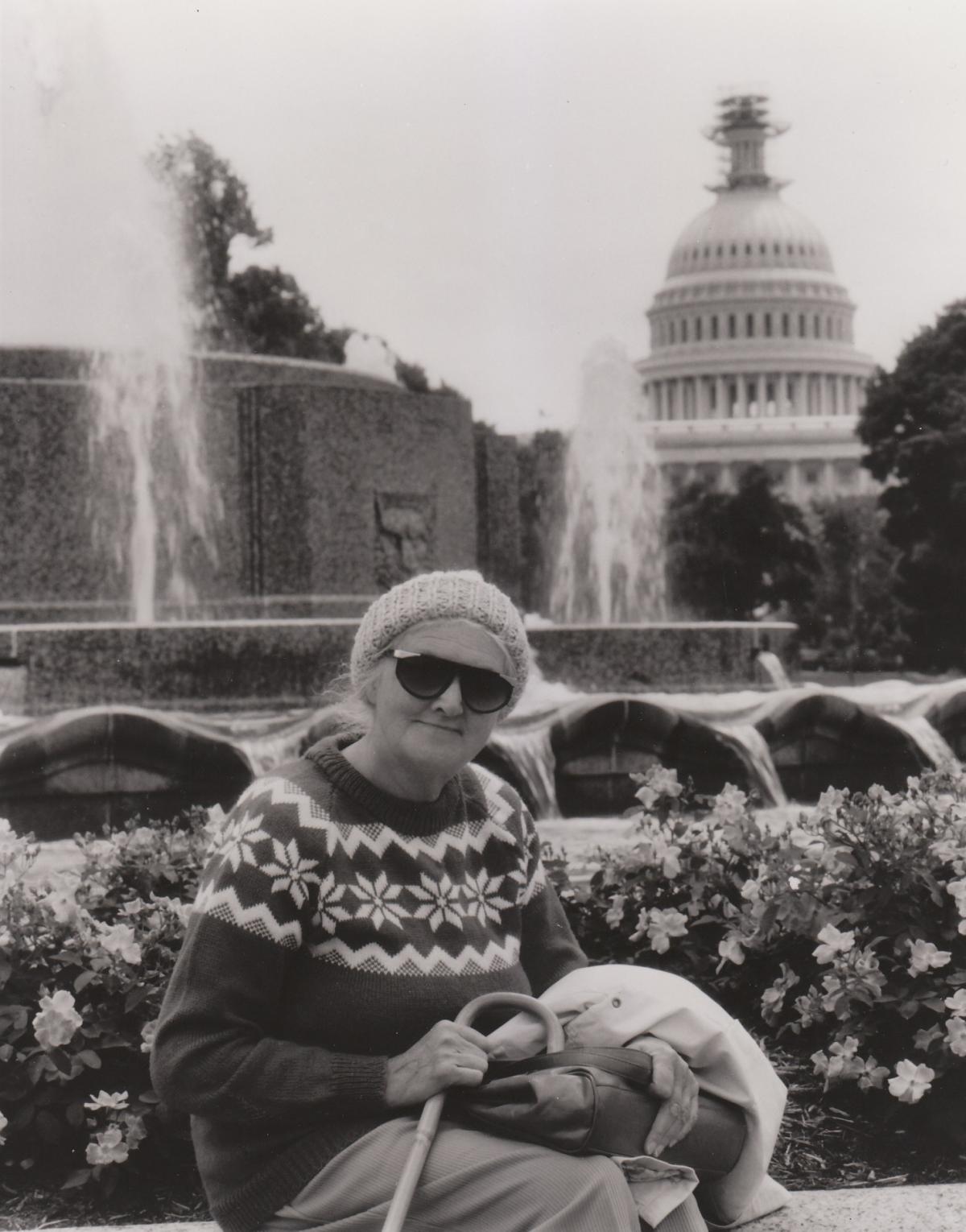
More books and TV programmes cemented her reputation and completed a turn-around in her life: whereas her family expected to die in the dale in which they had been born, the cameras accompanied her over the ocean to America; whereas she sometimes went weeks without seeing another human being, now she was meeting royalty and the pope.

The exhibition uses the paraphernalia left to the library to tell Hannah’s remarkable story and also the wider stories of her family.
For instance, contrary to the narrative of generations of Hauxwells never leaving the dale, her grandfather, James, joined the Royal Horse Artillery and served in India.
The library has a letter he wrote back to his parents, Thomas and Mary in Baldersdale, on December 10, 1876, from Peshawar, which is now in Pakistan, where he was defending the empire’s northern border against Afghanistan – and Russia – having sailed there on a troop ship.
“The country looks a good deal nicer here and there is all sorts of wild parrots flying about and all sorts of birds,” he wrote. “It was very hot as we were coming through the Red Sea. It used to melt the pitch that was in the creases of the planks of the ship like treacle.”
He finished his letter: “I think I will bring a parrot home with me. There is plenty of them here flying about wild.”
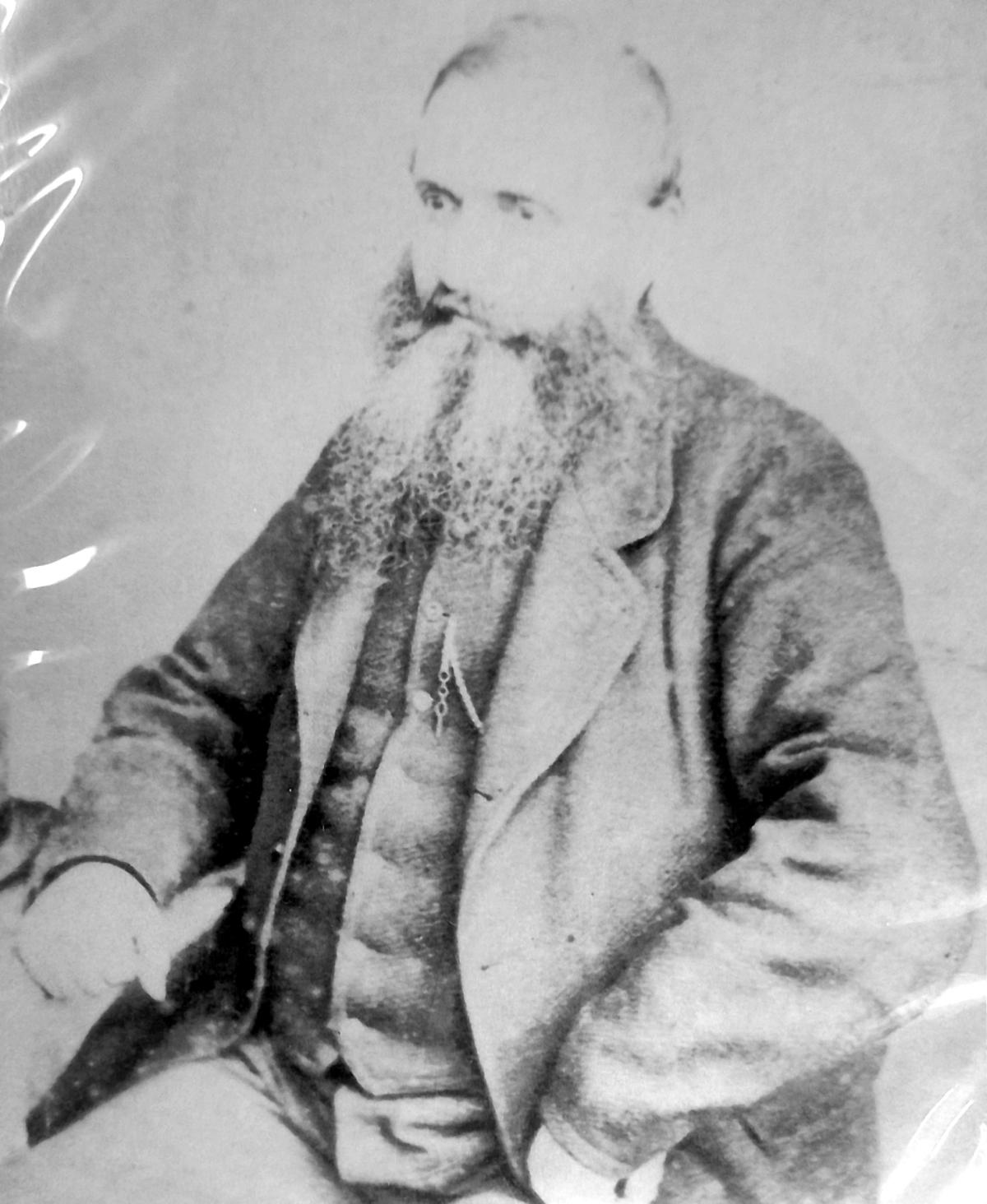
After his military service, James returned to Hury (not bearing a brightly-coloured parrot) and continued his interest in horses. He married Elizabeth Bayles from another Teesdale hill farming family. Her siblings farmed at remote places like Dummah Hill at North Stainmore and the wonderfully-named Hagworm Hill, which is so high on Cronkley Fell that it probably makes Stainmore seem hospitable.
The Teesdale genes intermingled – Hannah’s full name was Hannah Bayles Tallentire Hauxwell as her family tree had branches in so many local families – as did their farms.

For instance, when Isaac Bayles, Hannah’s great-uncle, became too old to manage on his own at Dummah Hill, he was taken in by the extended family and joined Hannah and her parents at Low Birk Hatt.
Indeed, when Hannah was six, Isaac was so ill that her father, William, had to take him to the Royal Victoria Infirmary in Newcastle – a massive outing for the country lads from the quiet dale in the days before the NHS.
In a letter written by William from Newcastle to his wife, Lydia, you can almost sense how wide his eyes are as he tells her that the hospital “is a very large establishment, almost as large as a small town itself. An attendant told me they had well above 1,500 patients on the premises”.
With his unique spelling, William tells Lydia that doctors were confident they could treat Isaac. He wrote: “After they had exzimined him they told him they would soon be able to put him all-rights…”
In the 1930s, Newcastle was so far from Teesdale that William had to find a room to stay, and he was pleased he had found one a mile walk from the hospital for 1s 6d per night – rooms nearer the hospital charged up to 7s 6d a night.
But then the letter, which is in the exhibition, comes to the matter that is weighing most heavily on William’s mind, and it is neither uncle Isaac’s health nor the finances.
It is, of course, the sheep.
He tells his wife: “One thing I wish to mention to you as we came over Hillgill bridge, Baldersdale, we passed 3 ewes grazing on the roadside under the railings at the back of Sayers. I noticed they were rudded on the shoulder but as I did not want to trouble the doctor with stopping as he wanted to reach Newcastle as soon as possible, otherwise I would have got out to investigate them further.”
“To rudd” seems to be a Teesdale verb meaning “to put an identifying mark on one’s sheep with a soft, red stone”.
William continued: “They might be Herbert Bainbridge's or Mr Bellerbye's as they both rudd on the shoulder but I thought I had better warn you in case they were some of Nicklesons strayed away."
“You will know the number of sheep you should have in all, there is 61 BT ewes, 18 BT gimmer hogs, 1 Wensleydale tup, 1 BT tup and one BT wether in stable with the tup.”
A gimmer is a young female sheep which has yet to have a lamb. A tup is a ram. A wether is a castrated male sheep, and we – dangerously – guess that a BT is a Black Teeswater as William appears to be differentiating it from the Wensleydale. Is that correct?
He finishes the letter with more useful instructions for Lydia: “I think in your circumstances it would be a good advantage to you, and the cattle and sheep as well, if you had the Stack cut, but if they are eating the Tinkler luge hay, fair and weel, this will do till I return.”
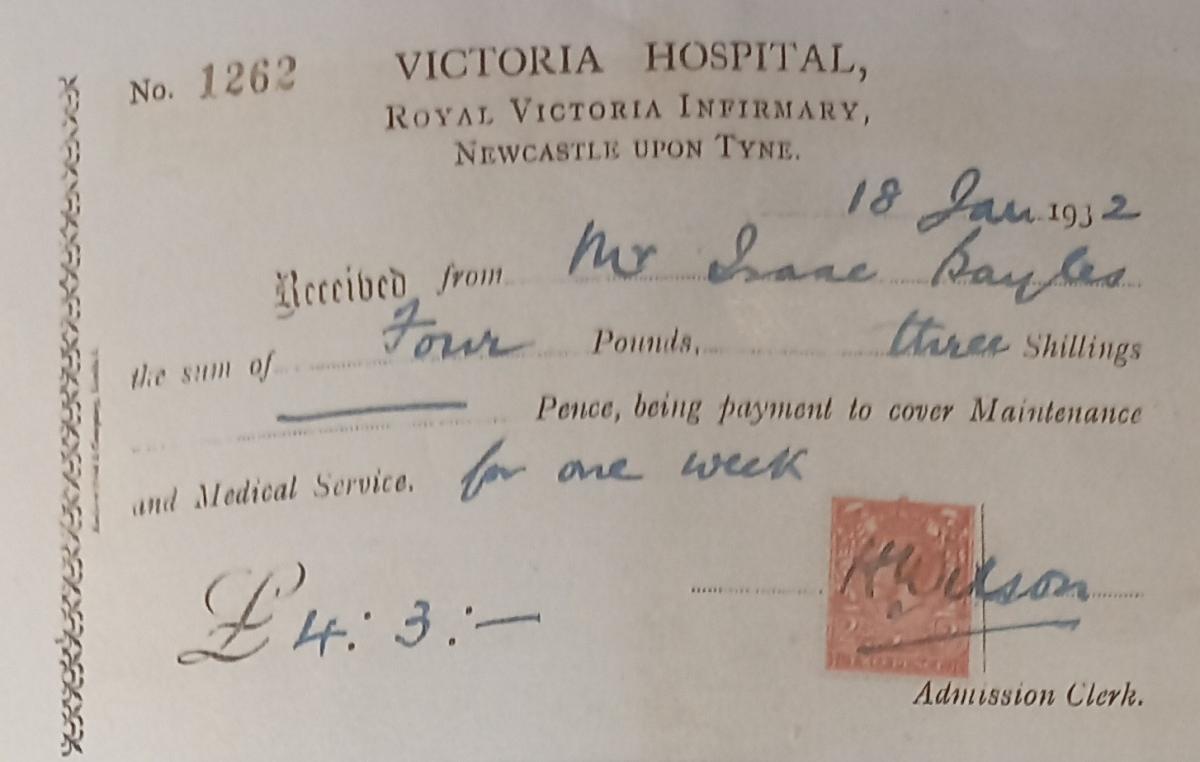
Isaac stayed in the RVI for a week, and the exhibition includes the receipt for the £4 3s he paid for his treatment.

Although the exhibition tells of Hannah’s wider family and of the dales world they lived in, she really is the centrepiece, and the library’s collection reveals a lot about her.

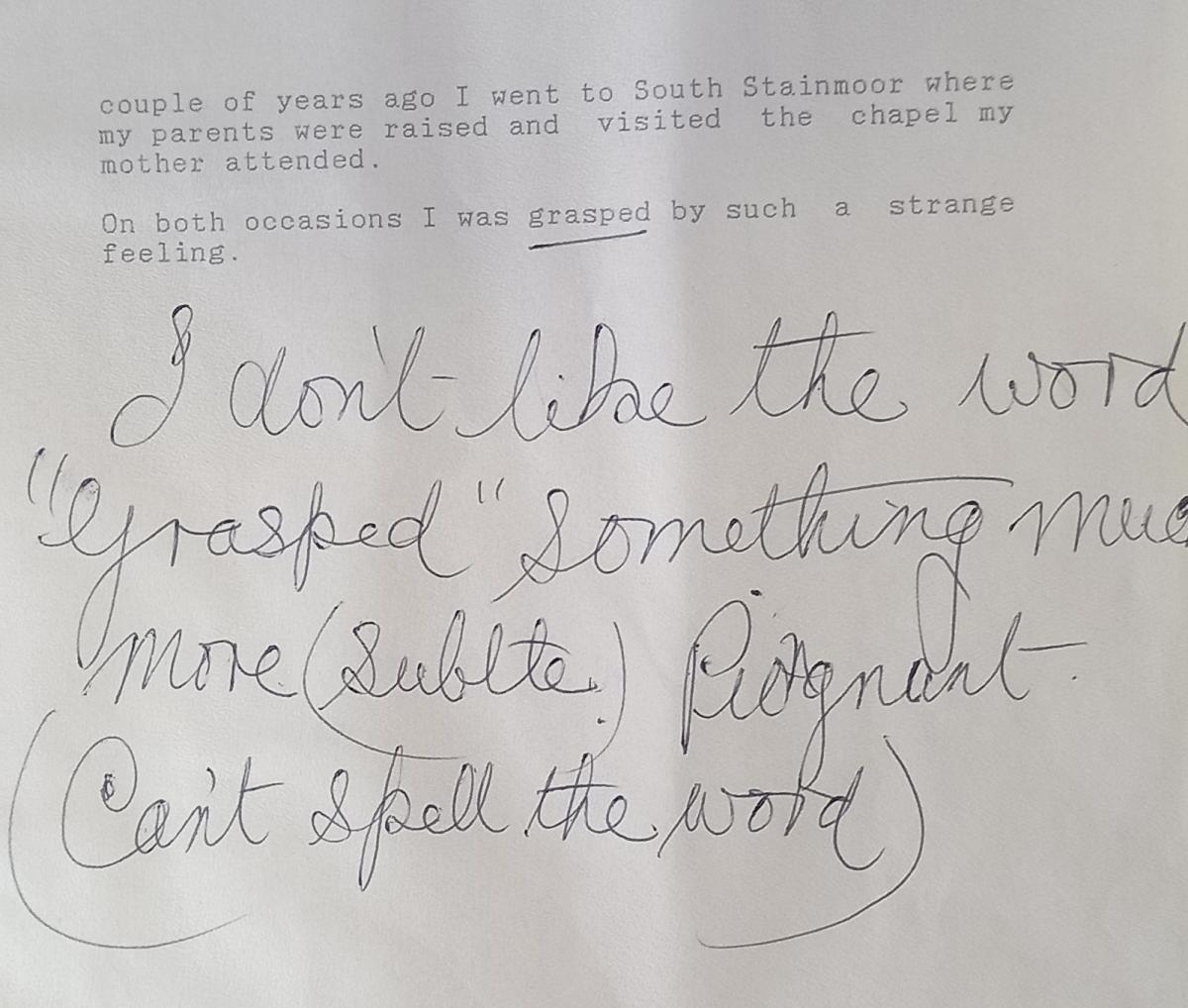
For instance, the Fitzhugh has a manuscript for her 1999 book, The Common Sense of a Countrywoman, sent to her by the Yorkshire TV producer and co-writer, Barry Cockroft.
Hannah is involved in choosing every word. The draft manuscript tells how, when she visited the chapel at South Stainmore that her parents attended, she was “grasped by such a strange feeling”, but Hannah, in her huge flowery handwriting wrote: “I don’t like the word ‘grasped’. Something much more (subtle) poingnant (can’t spell the word).”

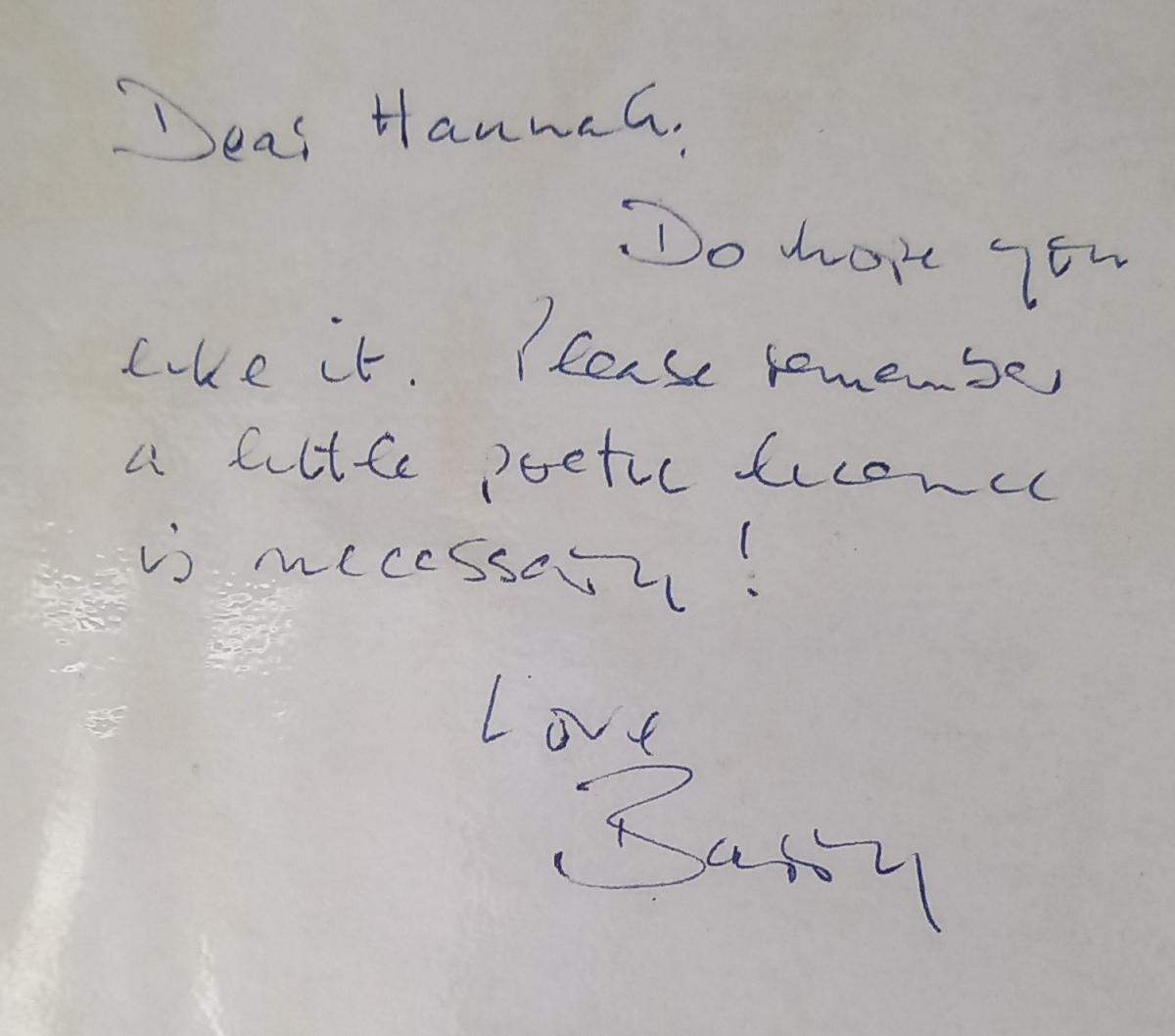
The dedication in the front of the book may also be revealing.
It says: “Dear Hannah, do hope you like it. Please remember a little poetic licence is necessary! Love Barry”.
Poetic licence may have been used in the books, but the harsh reality of Hannah’s lost life was anything but fiction.

The exhibition, Hannah’s Legacy, at the Fitzhugh Library runs from Friday, September 11 to Tuesday, September 15, from 10am to 3pm for Heritage Open Days.
It will then be available during the library’s usual opening hours on a Monday and Tuesday from 10.30am to 2.30pm until Christmas.
The library is on the 1st Floor, 51 Market Place, Middleton-in-Teesdale, DL12 0QH.
It is above the Village Bookshop and opposite the Teesdale Hotel, but because of stairs, there is no disabled access.


Share