


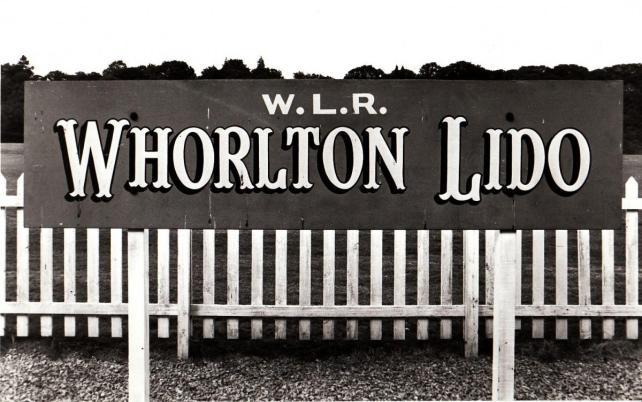

For generations of families across County Durham, Whorlton Lido was one of those places that came to define summer.
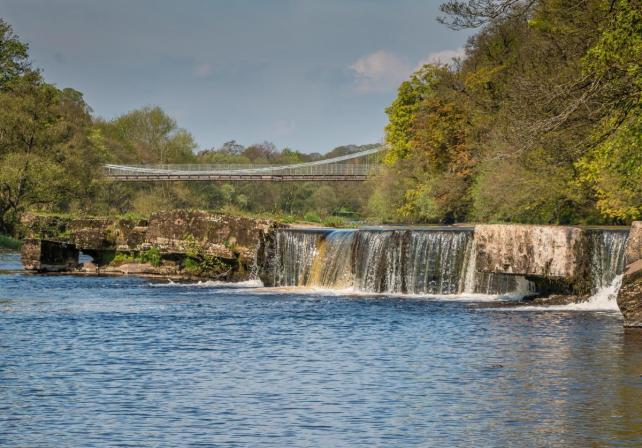
Set on the south bank of the River Tees beneath Whorlton Suspension Bridge, the picturesque riverside attraction drew visitors for picnics, paddling and, later, rides on its much-loved miniature railway.
Surrounded by wooded riverbanks and open countryside, the site became a popular day out for people from across the North East and neighbouring North Yorkshire.

One former visitor recalled: “It was a wonderful place for a splash and paddle on a summer’s day. The river, the rapids and that bridge — it was magical.”
The grassy recreation ground sat below Whorlton Bridge, which has itself long been a local landmark and is claimed to be the oldest suspension bridge in the country still supported by its original chains.
Visitors arriving from Whorlton village could cross the bridge before making their way down towards the river, where families would spread out blankets, unpack picnics and spend the afternoon beside the Tees.

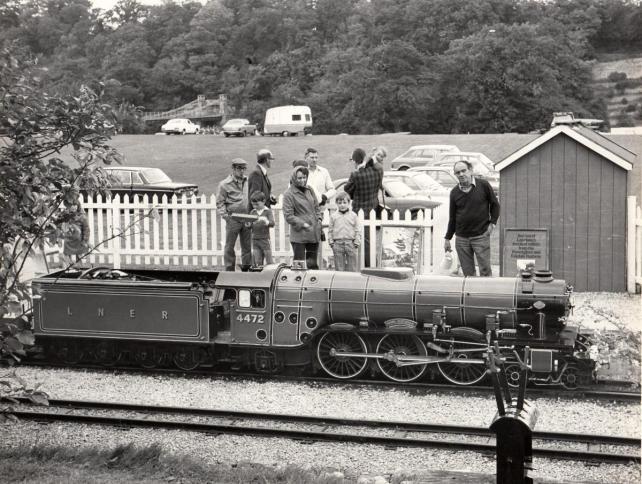
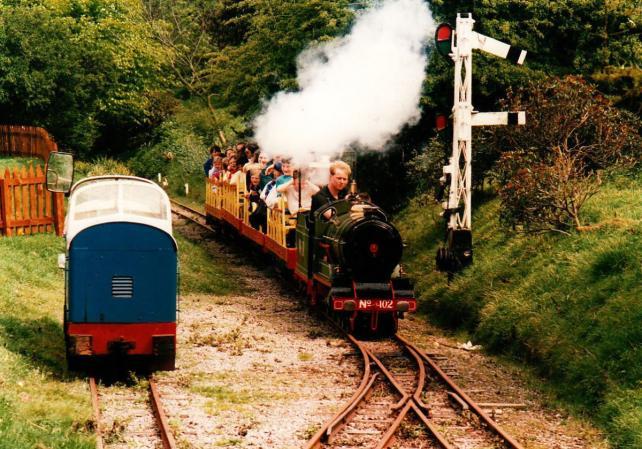
But for many who remember Whorlton Lido at its height, it was the miniature railway that made the attraction particularly special.
Its railway story began in the early 1950s when Herbert Dunn, an engineer from Bishop Auckland and miniature railway enthusiast, bought the land and installed a 15-inch gauge line.
Following Herbert’s death, his son Raymond Dunn continued developing the attraction, adding features including a tunnel and lakeside loop as the railway became an increasingly important part of a visit to Whorlton.
“I remember the miniature train running at Whorlton,” one former visitor recalled.

The locomotives belonged to a line of Barnes Atlantic engines originally built during the 1920s by Albert Barnes in Rhyl, with some examples surviving on heritage railways today.
Long before the miniature trains began carrying holidaymakers, however, the peaceful fields beside the River Tees had played a very different role.
During the Second World War, the area was used by soldiers carrying out training exercises ahead of the D-Day landings.
In December 1942, Winston Churchill visited the site and watched troops cross the icy River Tees during military exercises, reportedly describing what he had seen as a “first-class show”.

Remnants said to be connected to those wartime exercises, including rusting ironwork embedded among rocks beside the river, have remained another reminder of the site’s unusual history.
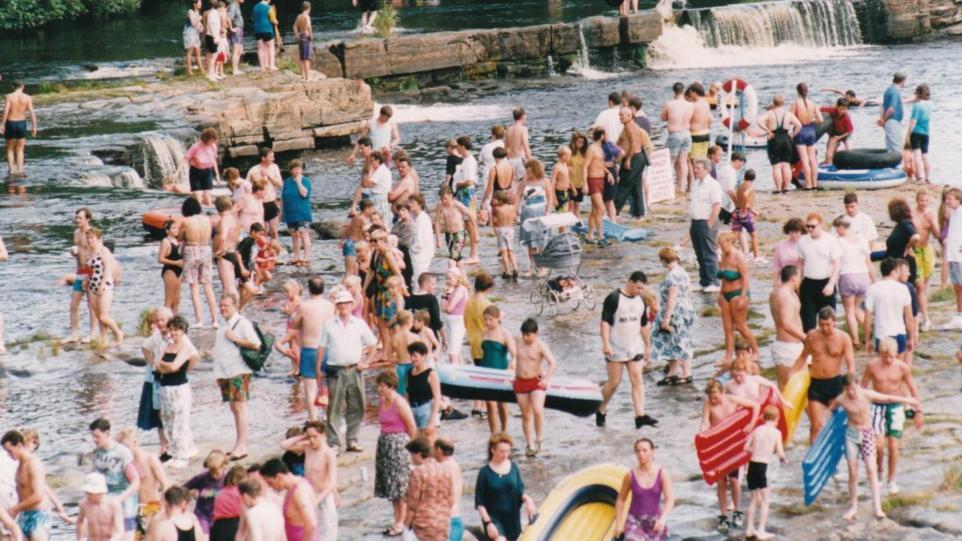
Whorlton Lido went on to enjoy some of its busiest years during the 1970s and 1980s, when thousands of people could descend on the riverside during spells of warm weather.
Families gathered on the grass, youngsters played beside the water and the miniature railway provided one of the biggest attractions.
One local remembered just how crowded the area could become, saying: “On good days, you could barely find a spot to sit. Cars would be parked right up the lane — it was that popular.”
For those who grew up nearby, a visit could be a relatively simple day out, but memories of the river, bridge, trains and packed picnic areas have endured long after the attraction disappeared.
By its later years, however, Whorlton Lido was facing problems including vandalism and anti-social behaviour.

The site eventually closed in 2005 and was sold into private ownership, with fencing preventing the public access that generations had previously enjoyed.
Its closure brought an end to decades of recreation beside this stretch of the River Tees.
There has, though, been a small revival of one of the attraction’s best-remembered features.
Volunteers later restored the miniature railway under the name Thorpe Light Railway, which has operated limited open days near the former Lido site.
Read more
How a riverside lido beneath a suspension bridge became a Teesdale childhood classic
The County Durham bridge that's been closed since 2019 and could open this summer
Historic County Durham bridge rebuild pictured as it's set to reopen later this year
Wendy, one of the engines closely associated with Whorlton, has continued to run, preserving a tangible link with the attraction’s heyday.
Whorlton Lido itself may now have been closed for more than two decades, but for generations who spent summer afternoons there, memories of picnics beside the Tees, paddling by the rapids and riding the miniature train have proved much harder to erase.
If you remember visiting Whorlton Lido, share your memories with us in the comments, on social media or by getting in touch directly.


Share