




Croft-on-Tees is a quiet village on the southern edge of Darlington — but it has an extraordinary claim to literary history as the childhood home of Lewis Carroll, creator of Alice’s Adventures in Wonderland.
Charles Lutwidge Dodgson, better known by his pen name Lewis Carroll, moved to Croft Rectory with his family in 1843 when he was 11.
His father, the Reverend Charles Dodgson, had been appointed rector of the parish, and the family remained closely connected to the village until his death in 1868.
It was in and around Croft that the young Dodgson developed the imagination and love of wordplay that would later produce some of English literature’s most enduring characters.
He wrote early poems and stories during school and university holidays at the rectory, while the family also produced its own handwritten magazines, packed with verse, jokes and illustrations.

Lewis Carroll’s Croft home
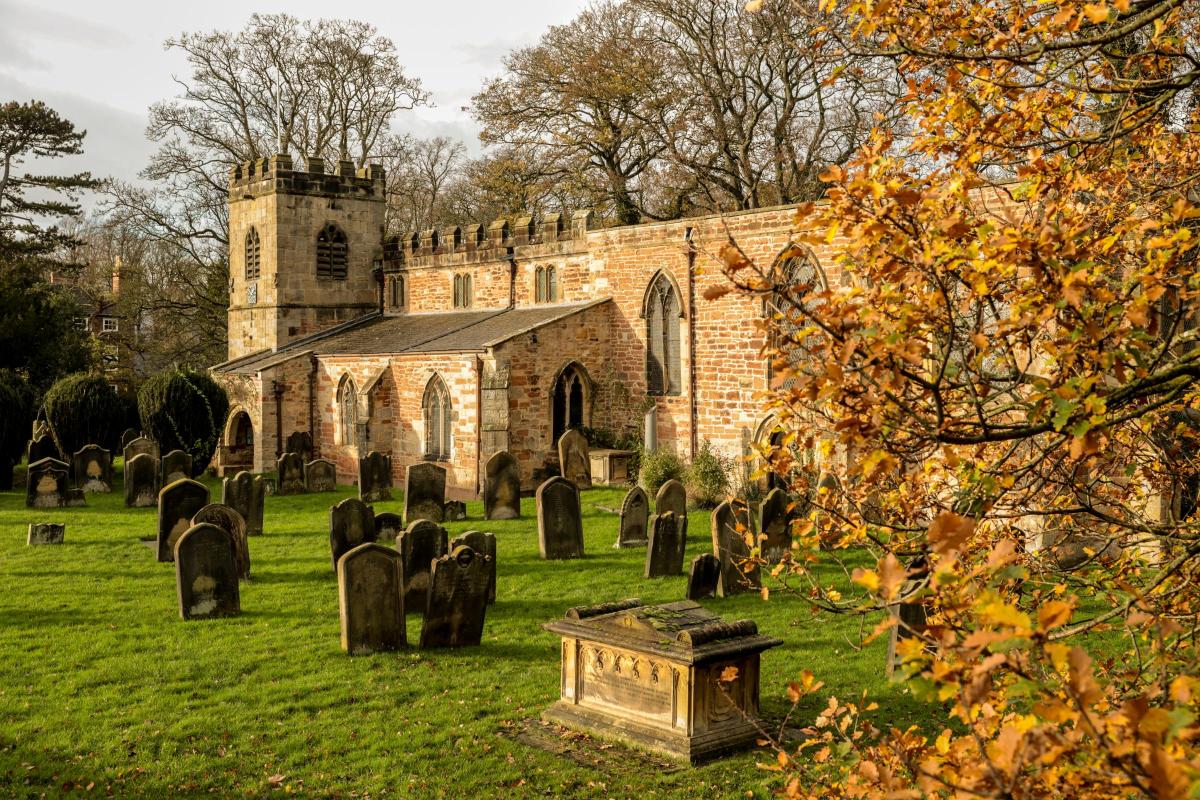
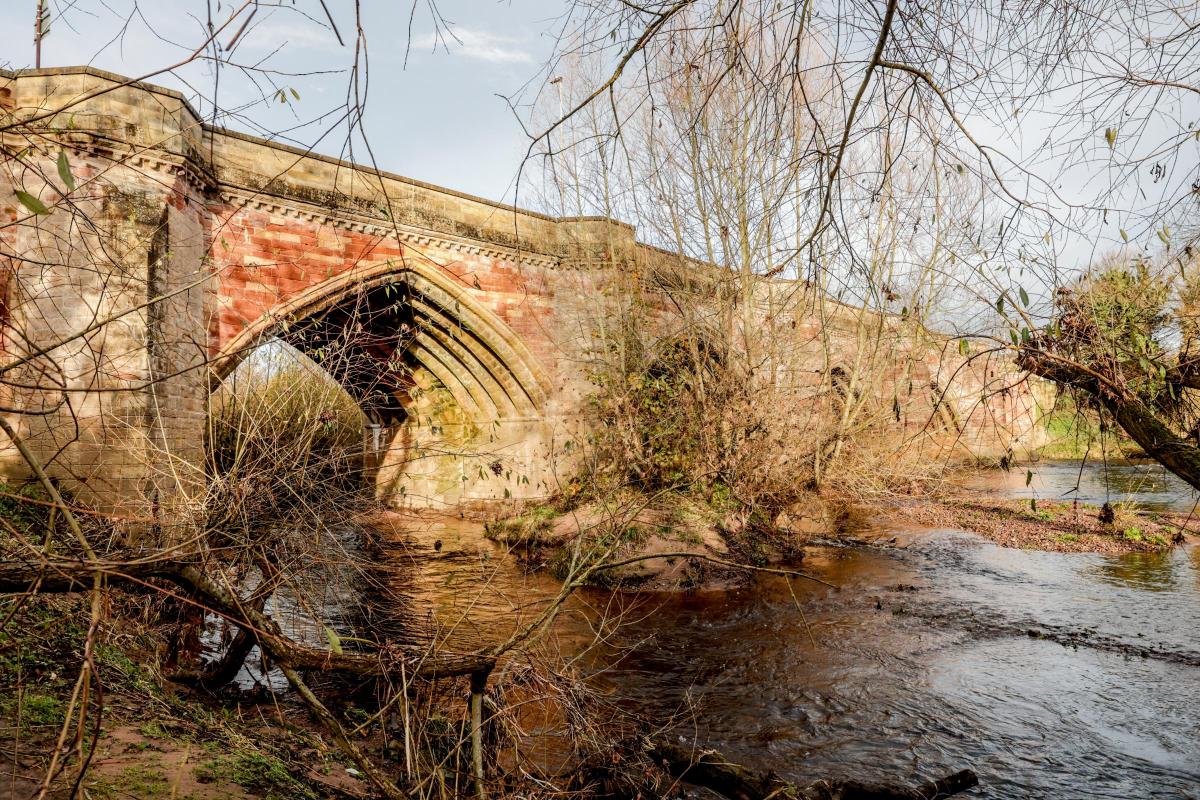
The Dodgson family lived in the spacious rectory beside St Peter’s Church, close to the River Tees.
Though Carroll was born in Daresbury, Cheshire, Croft was his family home for around 25 years — a formative period extending from childhood through his years at Richmond School, Rugby School and Oxford University.
In a poem about the house, Carroll wrote:
“Fair stands the ancient Rectory
The Rectory of Croft
The sun shines bright upon it,
The breezes whisper soft.”
The verse is reproduced by local history site England’s North East, which says the writer regarded Croft as home and developed his talent for nonsense writing there among his large family.
St Peter’s Church still provides the most visible link to the author.
Carroll’s parents are buried together beside the north wall, while the church includes features long associated with his work.
The church says he returned to the village during holidays and wrote many of his earliest poems and stories while living or visiting there.

Did Croft inspire Wonderland?
There is no definitive list of places that Carroll transformed into Wonderland.
However, Croft has several compelling links which have led historians and local people to believe that the village influenced elements of his writing.
Perhaps the most famous is a carved grinning cat at St Peter’s Church, widely linked to the Cheshire Cat.
The BBC has reported that the carving may have inspired the character, while St Peter’s Church says its building contains several features reflected in Carroll’s writing.
Other local stories are more speculative but no less intriguing.
The former rectory was said to include unusual doorways, backwards writing on window glass and a cellar resembling a rabbit hole — details which have been connected with Alice’s Adventures in Wonderland.
Croft’s spa waters, once visited by people who believed the foul-smelling water had health-giving qualities, have also been linked to Alice drinking from a mysterious bottle and changing size.
The parallels are not proven, but they demonstrate the depth of the village’s long-standing association with Wonderland.

The Jabberwocky connection
Croft’s influence may reach beyond Alice herself.
Lewis Carroll is believed to have written an early version of the opening verse of Jabberwocky while living at Croft in 1855, although the poem was not published until years later in Through the Looking-Glass.
Local tradition also links the poem’s monster to the nearby Sockburn Worm legend — the tale of a fearsome creature slain with a sword near the River Tees.
It is a theory rather than established fact, but it offers another possible County Durham and North Yorkshire thread running through Carroll’s world of invented words and strange creatures.
Read more
North Yorkshire town set to open hidden heritage sites for free history festival
Memoir recalls North Yorkshire family's move to help open North East mine century ago
‘Old-fashioned’ sweet shop that takes punters back to childhood has been shown on TV
A literary landmark near Darlington
Croft-on-Tees is not the sole inspiration for Alice in Wonderland: the story itself was first created for Alice Liddell during a boating trip on the River Thames in 1862, then published as Alice’s Adventures in Wonderland in 1865.
But it is fair to say Croft played a major role in shaping the young writer behind the book.
The rectory, church, village stories and surrounding Tees landscape supplied the setting for a childhood filled with family creativity, poetry and playful invention.
More than 160 years after Alice’s Adventures in Wonderland was published, Croft-on-Tees remains one of the North East’s most remarkable literary locations.


Share