






Find, save and share Public Notices that affect you in the area.
Search the Public Notice Portal What is the Public Notice Portal?What is the Public Notice Portal?
The Public Notice Portal carries statutory public notices published in local newspapers and is the fastest and most effective way of finding out what is happening in YOUR neighbourhood.
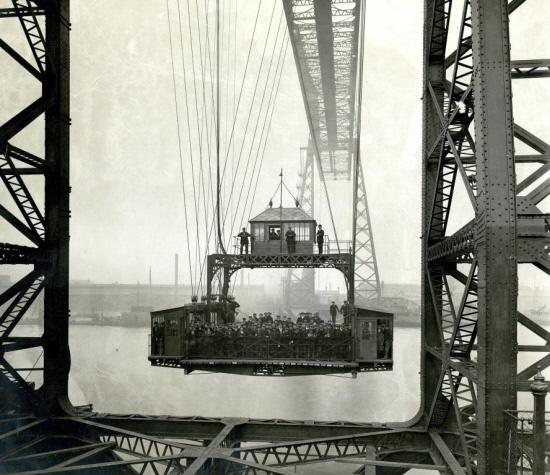
Search the Public Notice PortalThe Transporter Bridge’s origins stretch back long before the bridge was realised in 1911.
When the Industrial Revolution transformed the River Tees, Middlesbrough and Port Clarence became a hotspot of ironworks and shipyards employing thousands.
Workers living on the south of the Tees needed a way to get across the river, and initially rowed boats over.
By 1858, a bridge was proposed by the Stockton and Darlington Railway but never came to fruition, and by 1862 a steamer was brought in to carry passengers across.

The idea of a bridge resurfaced in 1873 when Charles Smith, a manager of the engine works, designed a structure to replace the ferry - but councils threw out the idea.
But more than a decade later, in 1887, French bridgebuilder Ferdinand Arnodin and Spanish engineer Alberto Palacio patented the “transbordeur” concept, having studied Smith’s plans.
The first was built in Bilbao, northern Spain, in 1893.
Arnodin was brought to meet the council in Middlesbrough in 1901, a time when there were 2.25 million passengers travelling across the river. A new solution was needed.
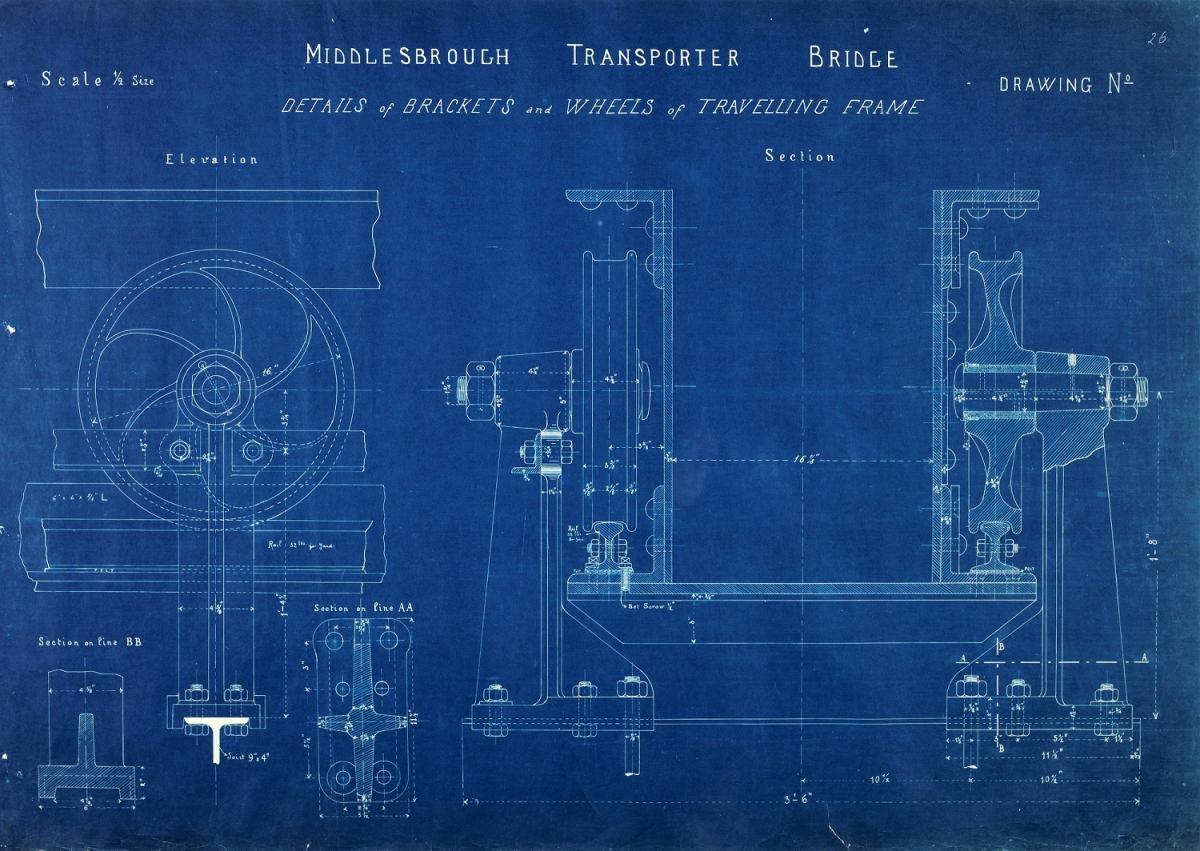
William Pease, the managing director of Darlington’s Cleveland Bridge and his chief engineer Georges Imbault drew up designs and ratepayers voted in 1907.

2,255 said yes, and 1,620 said no.
Sir William Arrol and Company, of Glasgow, were contracted to the project, with Cleveland Bridge appointed as consulting engineer.
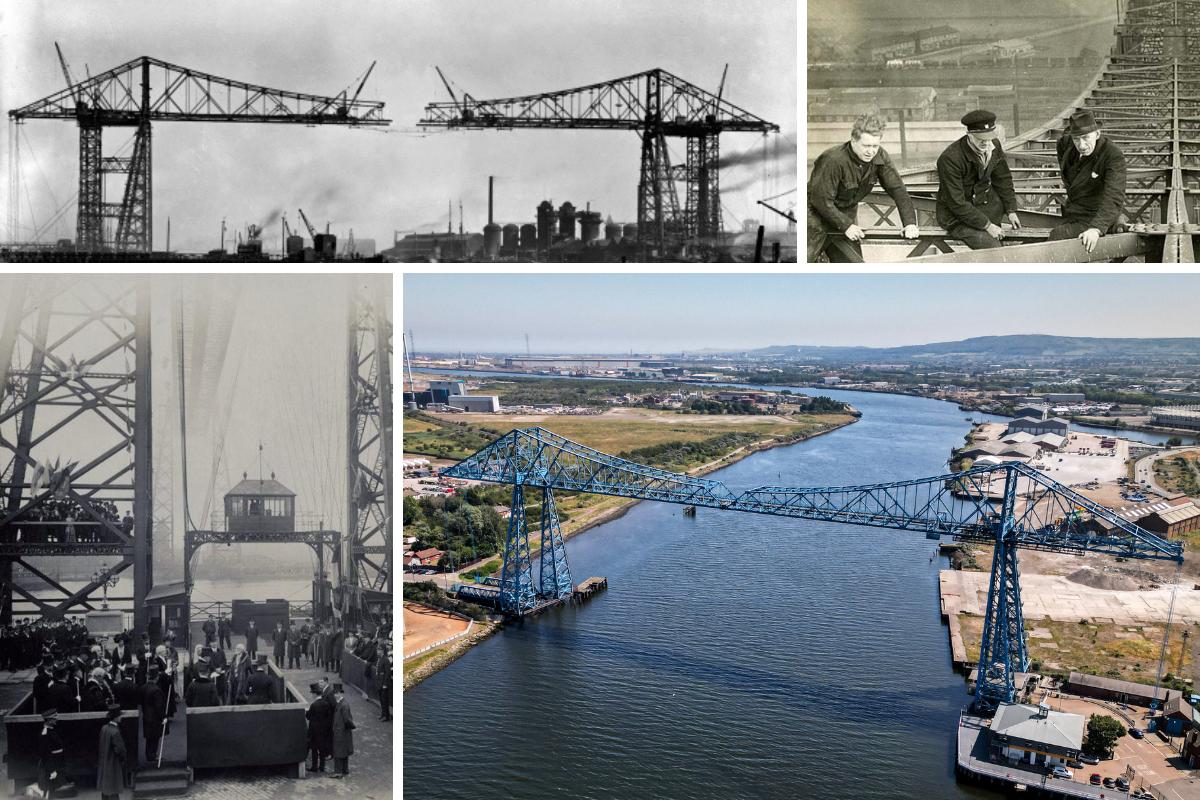
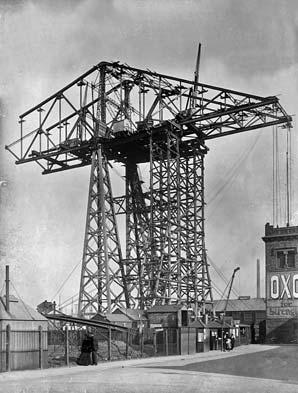
Foundations were sunk 90ft below water level in July 1909 before the two arms met almost two years later on April 19, 1911.

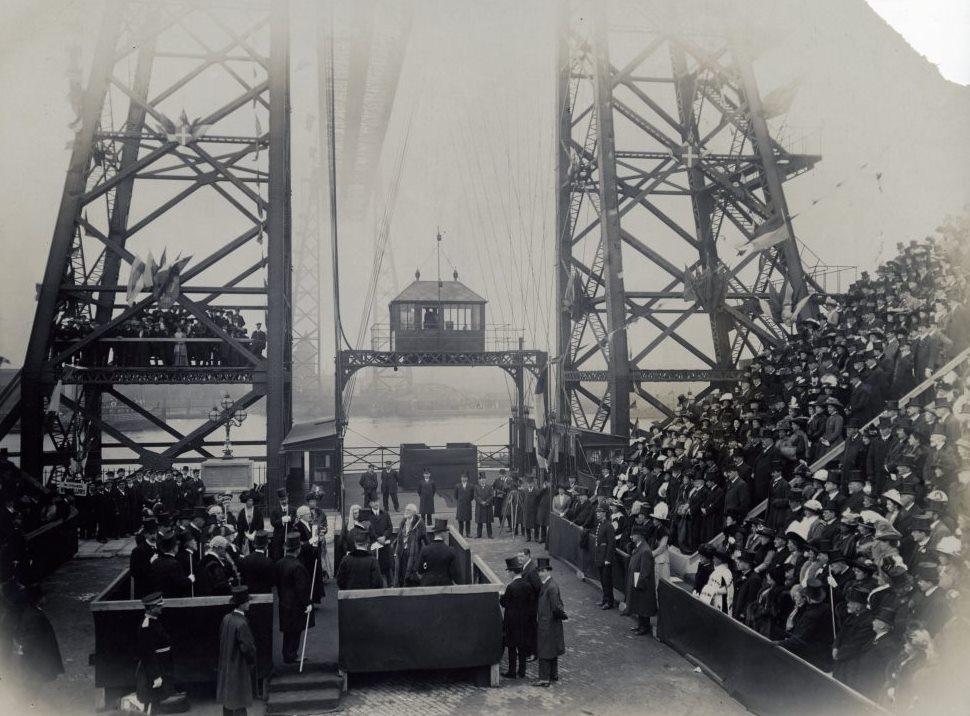
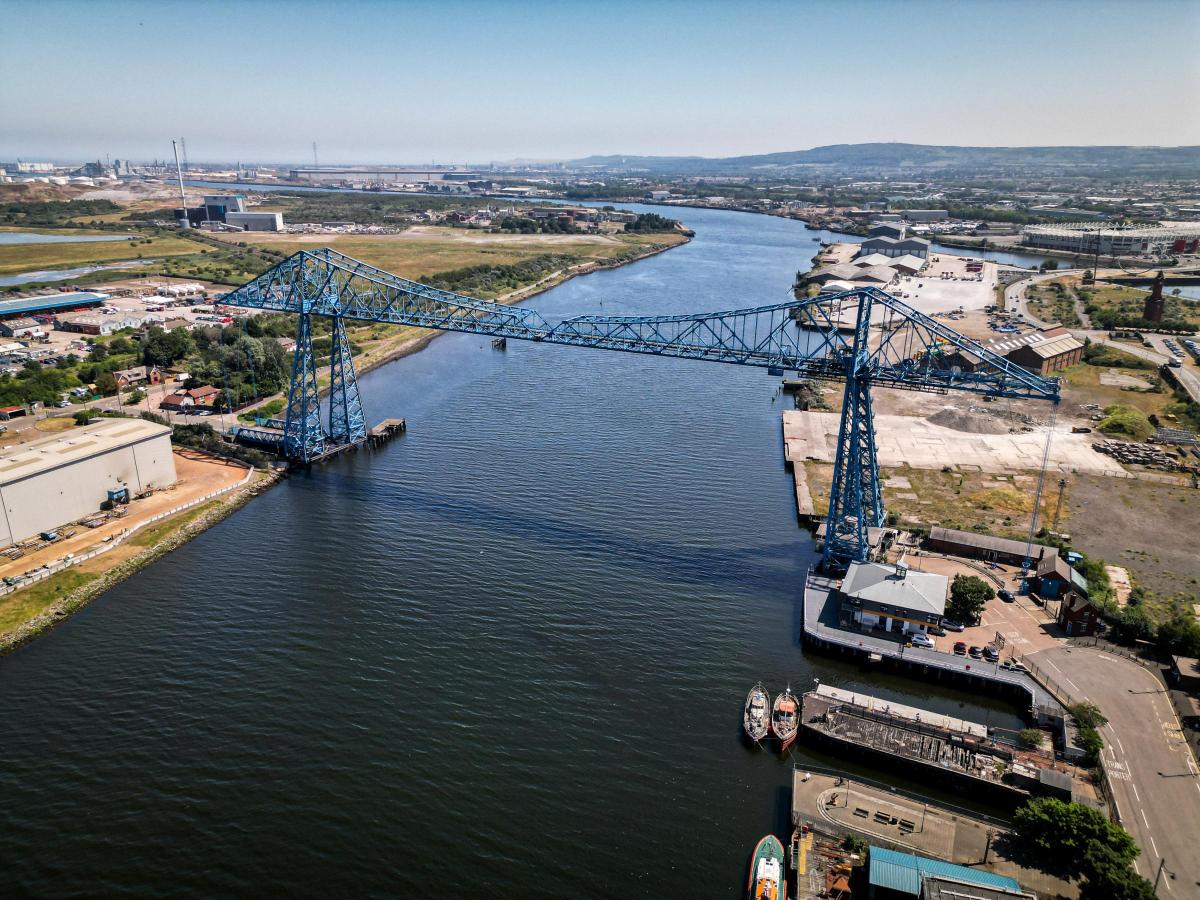
With a total length of 850ft and a clearance below of 160ft, the Transporter officially opened to the public on October 17, 1911.
It had cost £87,316, which is around £9,163,208 today.
Today, the Transporter, which was awarded its Grade II* listed status in 1985, remains one of only 24 transporter bridges worldwide and the sixth-largest, with only 13 of these still standing.

In recent history, closures became a common occurrence when wind speeds would increase - and in August 2019 the structure was closed due to safety concerns.
At the time, concerns it was in a "dangerous state" were raised by a whistleblower, who said wheels, ropes, and anchor points were "substantially out of date".
An inspection in 2020 highlighted some areas of concerns before a structural assessment in 2023/24 revealed the bridge was an “immediate and unacceptable safety risk to the public”.
Today, engineers are continuing to monitor the bridge to help inform the design of a long-term solution.
Since the outcome of the assessment, continuous monitoring of the bridge has been in place. Around £2.5m has been spent since 2019 on emergency works, surveys, and monitoring.
More than 100 sensors now track its movement and laser scanning techniques continue to be used so changes to the bridge over time are identified.
Middlesbrough Council should hopefully soon put forward proposals for how it will be repaired, whether as a static landmark or back to full working order.
More design works will be carried out in the coming months and depending on the choice work could start in 2028 and last between three and ten years.
Bridge 'saved'?
Since its closure, the bridge has remained a key talking point amongst politicians, and there have been wars of words across the political spectrum over what to do with it.
It is fair to say that you would be hard pressed not to find a politician on Teesside without a view on the future of the structure, although some are more vocal than others.
In 2023, ahead of the last mayoral election, Tees Valley Mayor Ben Houchen announced he had saved the bridge after £30 million was signed off after the scrapping of HS2.
But this pocket of cash is only available if the bridge is used as a ‘transport asset’.
Lord Houchen spoke to the Echo last year about how bringing the gondola back to full working order would cost more than what was allocated and asked questions over who would be stepping in to foot the bill.

However, this sparked a war of words between Lord Houchen and the council, who claimed the authority was hoping the issues would “go away” or become “somebody else’s problem”.
The council hit back, saying it remains “fully committed” - with Middlesbrough Mayor Chris Cooke adding that it was interesting how Lord Houchen was “lashing out at the council once again".

Lord Houchen also argued that it “shouldn't take a consultant that long to inspect a structure and then be able to report back on it.”
But Mayor Cooke questioned whether Lord Houchen’s commitment to saving the bridge still stands. “Only he knows”, he said.

Read more
Transporter 'cannot go to rack and ruin' - but funding could be 'bottomless pit'
Saving an icon - The Transporter Bridge state of play seven years on from closure
'We will save the Transporter' - Mayor promises funding will come for Tees icon
Middlesbrough and Thornaby East MP Andy McDonald has also publicly backed the bridge's restoration, and even previously launched a petition to save it.
"There can be no doubt of its place to the town and the people," he said. "It belongs to everyone and I know just how loved it is by the people of Middlesbrough and beyond.
"It is absolutely imperative that every effort is made to ensure the bridge is maintained and sustained all its glory and in full working order for future generations to enjoy and use."


Share