


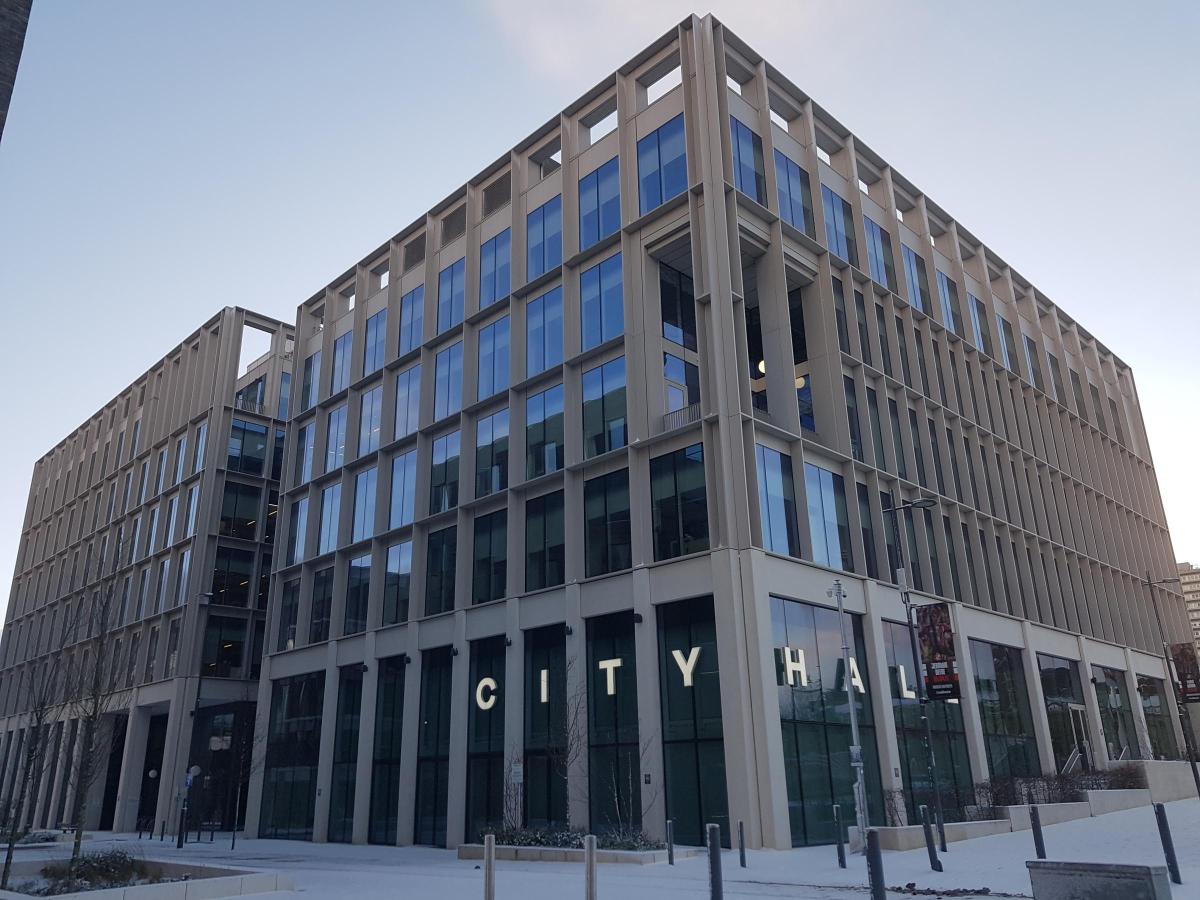



Sunderland City Council has voted to “rescind” its climate emergency pledge, despite opposition concerns the move could impact investment and jobs.
Reform UK councillors in Sunderland moved to scrap the 2019 declaration at a council meeting on Wednesday (June 24), the first ordinary full council meeting since the party came to power in May 2026.
A motion from Sunderland’s new Reform UK administration said “framing local environmental policy” through the declaration can create a policy direction that is “disproportionate, financially burdensome, and insufficiently balanced against the council’s wider responsibilities”.
The motion, which was agreed by a majority vote, asked the council to “rescind” the previous climate emergency pledge and “ensure that future environmental activity is considered through a balanced framework” around “value for money, statutory responsibility, deliverability, resident impact, and local environmental benefit.”
It also asked council officers to identify previous council plans and budgets which are “directly dependent upon or materially shaped” by the previous climate emergency status.
Councillor Bill Blackett, Reform UK cabinet member for environment, transport and enforcement, launched the motion and described the climate emergency as “well-meaning but ultimately false”.
He said the “so-called climate emergency distorts the spending priorities of councils” and that the Reform UK administration wanted to “refocus on energy efficient and cost of living interventions that provide practical help to residents.”
Councillor Paul Edgeworth, leader of the opposition Wearside Liberal Democrats, noted councillors were discussing the “performative” motion while the “country grinds to a halt” due to “record temperatures”.
While noting there were “some sensible parts of the motion”, the opposition leader said it was “foolish” to deny there was a climate emergency and raised concerns about the motion potentially sending out the “wrong signal” to firms looking to invest in low carbon businesses in Sunderland.
“There are lots of good things that we would agree and can work together on but we will not be supporting the overall motion and will continue to focus for this council to really get a grip of residents’ priorities,” he added.
“These are cleaning up our streets, better green spaces and beaches, improving air quality, helping people to cope with sky high energy bills and making it easier to switch to an electric vehicle, crucially also attracting those high quality green jobs and investment to our city, which I think this motion will damage.”
Councillor Fiona Tobin, leader of the opposition Labour Group, said the motion asked the council to “remove a strategic commitment without first considering the consequences for Sunderland economically, environmentally, and socially”.
The councillor also noted the thousands of jobs supported by renewable and low carbon industries on Wearside and said the council should be asking what impact the motion would have on “investor confidence”, “future growth opportunities” and employment.
“It can’t just be about symbolism and dealing in a kind of climate change denying fantasy,” Cllr Tobin added.
“It has to be about whether Sunderland wants to remain positioned to attract investment, create jobs and prepare for the challenges we can already see happening every day.”
Reform UK councillor Bill Blackett, closing the debate, said it was a fact that the “climate changes” but noted that there was an “alternative view” around the impact of carbon dioxide gas.
He added: “Essentially the ending of the climate emergency, it makes no difference, you say it’s performative, perhaps it is performative.
“However, if we as a council stick to the fiction that there is only one view allowed and that carbon dioxide is the devil that must be contained, you say we might chase away some industries, I think not, I think we could free industry.
“As a well known fella across the pond says ‘drill baby drill’, and if we’re moving in that direction, that is the direction of travel we’ve got to take.”
After being put to the vote the Reform UK motion was passed 48 votes in favour and 15 against.


Share