



For a small Weardale market town, Wolsingham causes a surprising amount of debate.
People spot the sign on the A689, have a go at saying it – and instantly reveal whether they are local, ex‑pat or completely new to County Durham.
Ask around the dale and you will quickly be told there is a right way to say Wolsingham – and several very wrong ones.
So… how do you actually say Wolsingham?
Spelled W‑O‑L‑S‑I‑N‑G‑H‑A‑M, it looks straightforward until you try it out loud. Visitors tend to go for something like “WOL‑sing‑ham” or even “Woll‑SING‑ham”, hitting every letter as they see it.
Locals smooth it out. You are much more likely to hear it as “WULZ‑ing‑um” – with a soft “z” sound in the middle and the final “ham” reduced to a quick “um”.
Say “Woll‑SING‑ham” and you might get a polite smile and a gentle correction, especially from people who have lived there for generations.
Why this one town name trips people up
Wolsingham is one of those names that looks like it should follow standard English rules, but centuries of local speech have worn it into something much more relaxed.
The “s” and “ing” sounds blur together, the “h” in “ham” effectively disappears, and what is left is a softer, quicker version that fits naturally into local accents. The spelling never changed – the way people say it did.
It does not help that many visitors first meet Wolsingham on a road sign, campsite listing or walking route before they ever hear it spoken.

Where is Wolsingham – and why do people know it?
Getting the name right matters because Wolsingham is not a dot on the map.
It sits at the gateway to Weardale, west of Durham city, where the A689 starts to follow the River Wear up towards Frosterley, Stanhope and the higher dale.
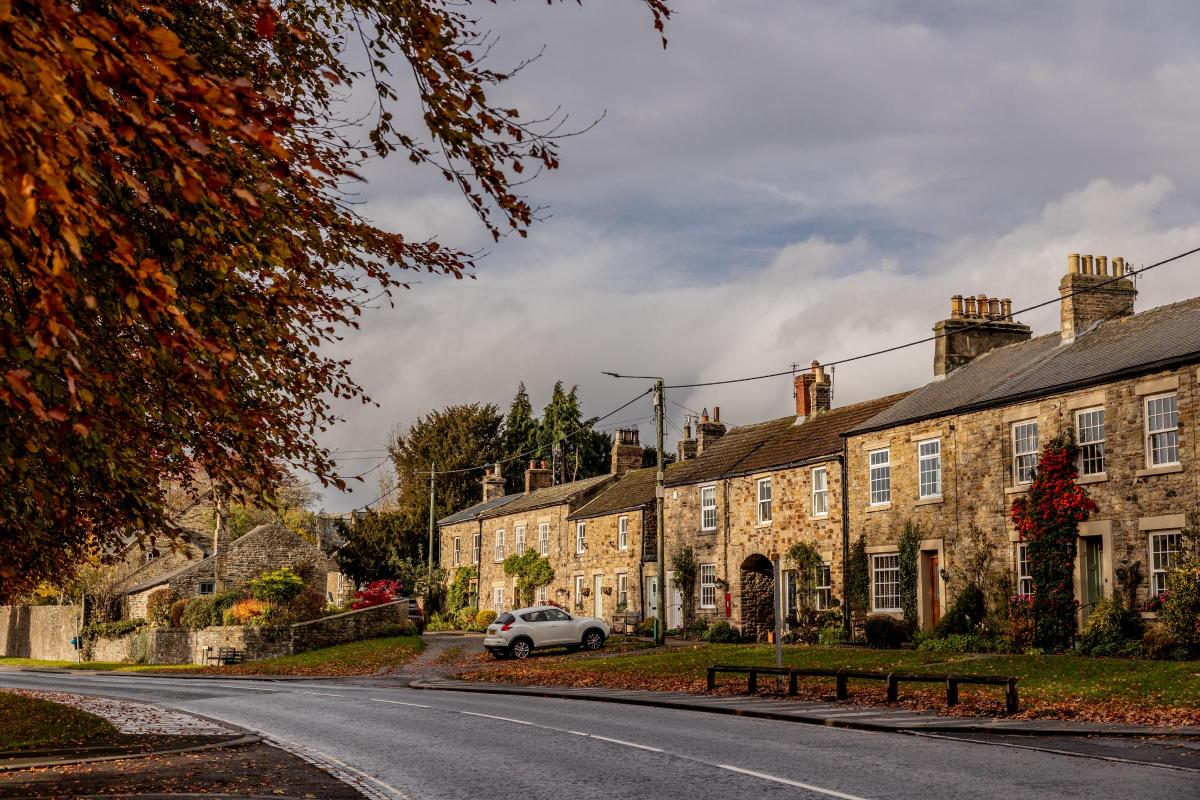
For many people it is the first proper taste of dales scenery: stone houses, river views, narrow lanes climbing towards the fells and a compact market‑town centre.
Families know it for caravan and camping parks, riverside walks and local shows, while commuters and day‑trippers use it as a jumping‑off point for exploring deeper into the dale.
“Say it like a local”: quick guide
If you want to sound as if you belong there, a few simple tweaks go a long way:
- Drop the hard “sing”: keep it short and soft – closer to “zing” than a full “singing” sound.
- Don’t lean on the “ham”: the last syllable is more “um” than “ham”, said quickly.
- Keep the rhythm even: WULZ‑ing‑um, three light beats, without stressing the middle too much.
Once you have heard a local say it, it tends to stick. After that, you may find yourself quietly correcting friends when they read it off the sat‑nav on the way up Weardale.
What Wolsingham is like once you get there
Pronunciation sorted, Wolsingham rewards anyone who does more than drive straight through - it's frequently described as a 'hidden gem'.
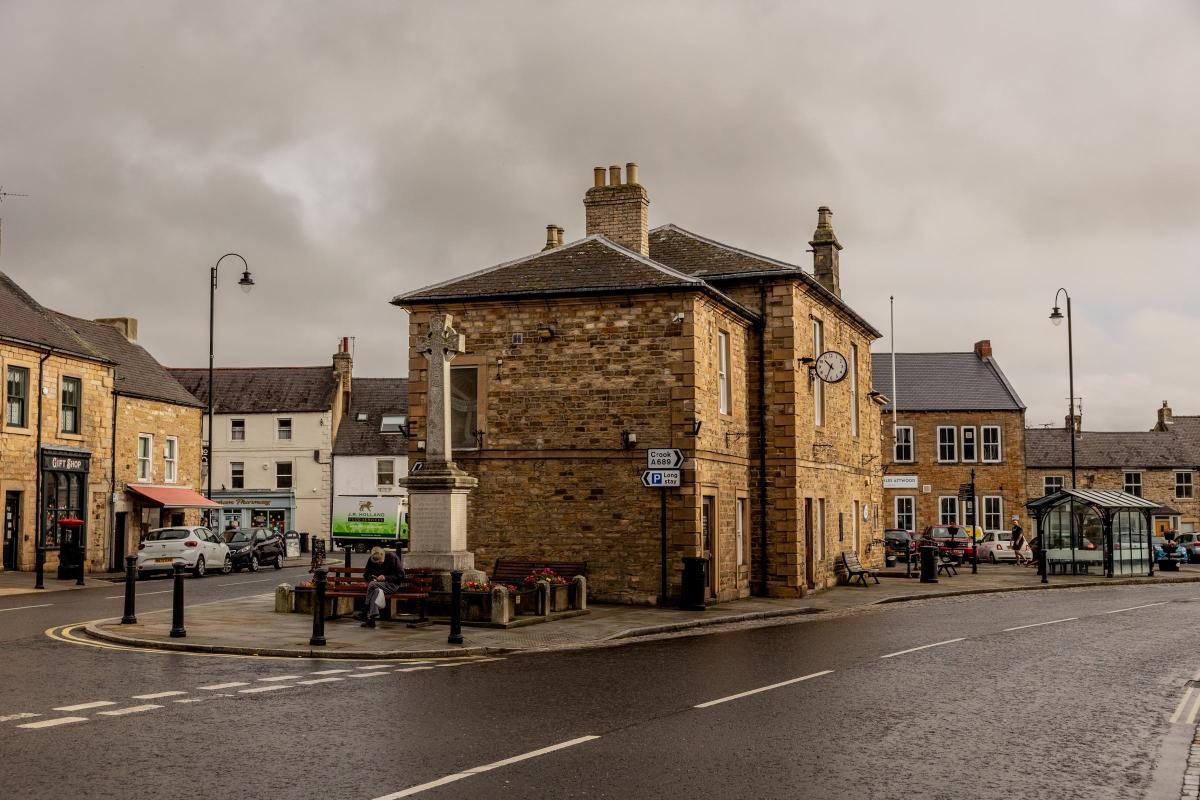
The main street has a mix of stone terraces, independent shops and traditional pubs, with side streets slipping down towards the River Wear.

Read more
County Durham family hub forced to shut doors after rats found by pest controllers
Police called after man found unresponsive with face injury in County Durham
Seven wealthiest people in the North East named on 2026 Sunday Times Rich List
Old houses, church buildings and the remnants of its market‑town past give it a solid, lived‑in feel rather than a manicured tourist‑village look.
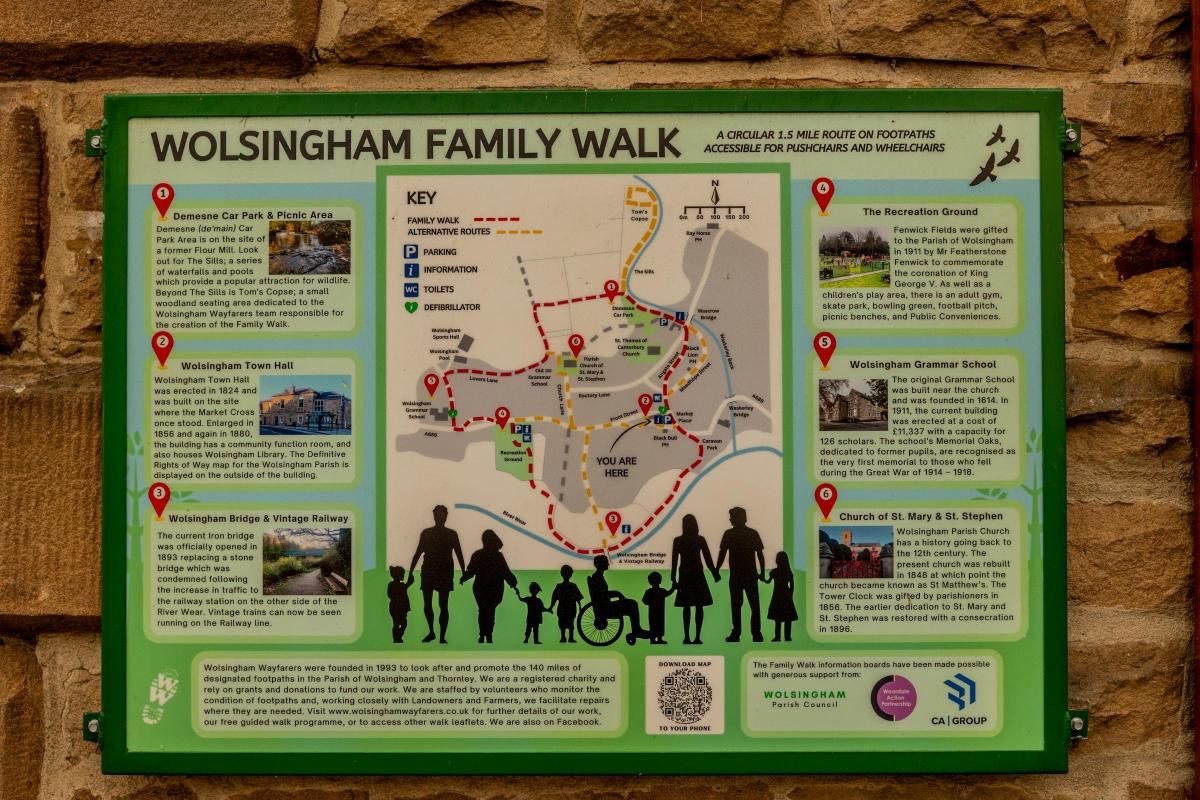
Walk a few minutes from the centre and you are into proper Weardale countryside: riverside paths, fields, wooded banks and views up towards the moors.
It is the kind of place where you can grab a coffee, pick up a sandwich and be on a circular walk within ten minutes of parking the car.


Share