


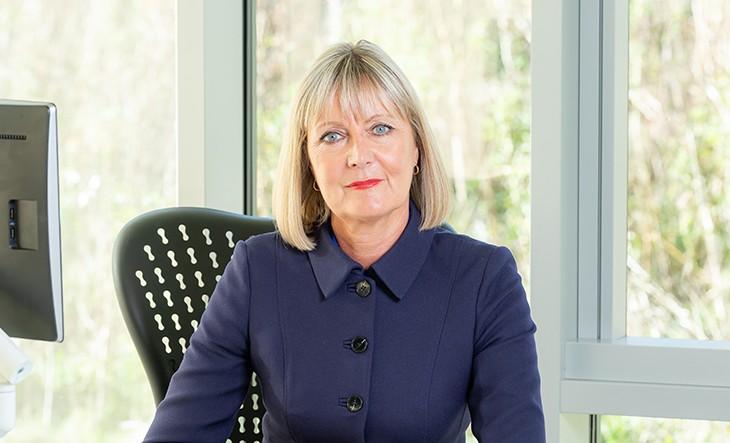
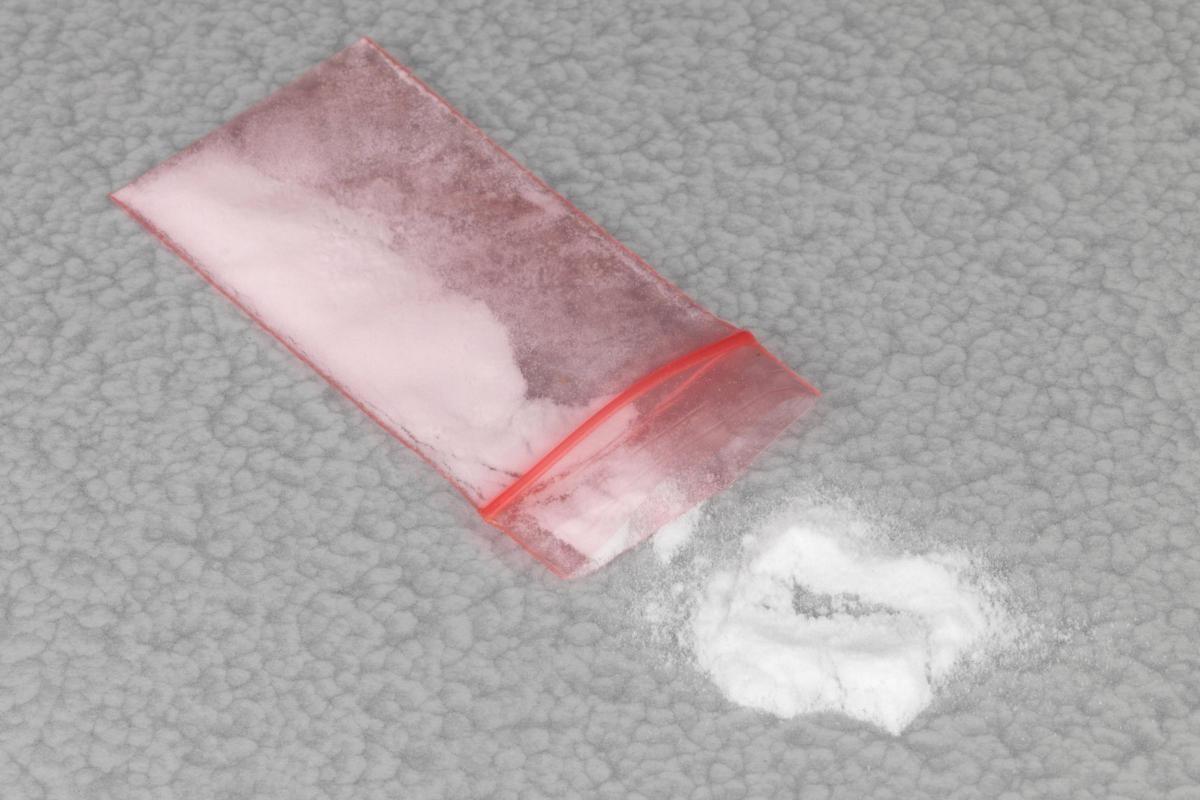

The hidden health dangers of what has been considered a niche party drug have been highlighted by Durham's Police and Crime Commissioner (PCC).
Joy Allen, as the national lead for Addictions and Substance Misuse on behalf of the Association of Police and Crime Commissioners, has warned that in extreme circumstances ketamine can kill.
But after hearing a mother’s harrowing first-hand account she has warned that regular misuse of the class B drug can also change users’ lives irrevocably.
She recounted the story of the heartbroken North East mother who has now become her son's carer.

Calling her ‘Gillian’, Ms Allen said she spoke of her devastation at seeing son ‘Luke's’ life transformed.
She recounted how Luke has gone from a life full of promise to now living with irreversible brain damage and bladder failure after using ketamine.
"He can't even go to the toilet by himself anymore," she wrote.
"He does not remember conversations from five minutes ago.
“I am now his full-time carer.
“If sharing our story stops just one more family from going through this hell, it will be worth it."
Ms Allen said Gillian’s words were filled with pain but also purpose.
“This is not an isolated incident as ketamine use is rising fast.
“Across Britain, ketamine is stealing futures and most people have no idea how dangerous it really is.
“It is putting young lives at risk.
“Once seen as a niche party drug, ketamine is now more widely used than ever.
“Nearly 300,000 people used ketamine last year, the highest number ever recorded.”
Among people in the 16 to 24 age group, its use has exploded by 231% since 2013.
More teenagers are now said to seek help for ketamine than cocaine, and more than fifty people died from ketamine-related causes in 2023 alone.
Ketamine is described as, “a powerful anaesthetic with hallucinogenic effects.”

“It can burn holes in your bladder lining.
“Users can end up wearing nappies, in constant pain, sometimes needing their bladder removed entirely.
“Sadly, this mother's son will never control his bladder again.
“Recently a national newspaper featured the harrowing stories of bereaved mothers from across the UK who had lost their children or now care for them because of ketamine use.
“They shared details how the drug, often sold for just £2, had ravaged their children's bodies and minds.
“These brave women echoed the same sentiment: ‘If our stories can save one life, it'll be worth it’.”
Ms Allen said these mothers did not have to share their family's devastating story.
“They could have suffered in silence.
“Instead, they chose to speak out because they know other families are walking towards the same cliff edge.”
Parents, carers or teachers are urged to talk to the young people in their lives and to be aware of the signs of ketamine misuse, including sudden mood swings, slurred speech, frequent urination, secrecy, or detachment.
Ms Allen said young people need to know ketamine is not, “a risk-free high.”
Read next ... more crime stories from The Northern Echo, by clicking here
PCC Joy Allen welcomes Government's review into ketamine
Government considers making ketamine a class A drug after record use recorded
'Ketamine Queen' accused of selling fatal overdose to Matthew Perry gets trial date
She said: “It can take everything … your health, your independence, your future, and your life.”
The PCC has backed the call for the drug to be reclassified as a Class A substance in a review of the risk it poses.
Help can be sought from GPs, the services or agencies such as We Are With You - www.wearewithyou.org.uk, or Talk to Frank - 0300 123 6600 - www.talktofrank.com.
More locally, County Durham Drug and Alcohol Service - www.waythrough.org.uk, and Durham Police can assist, by calling 101 or visiting www.durham.police.uk.


Share