



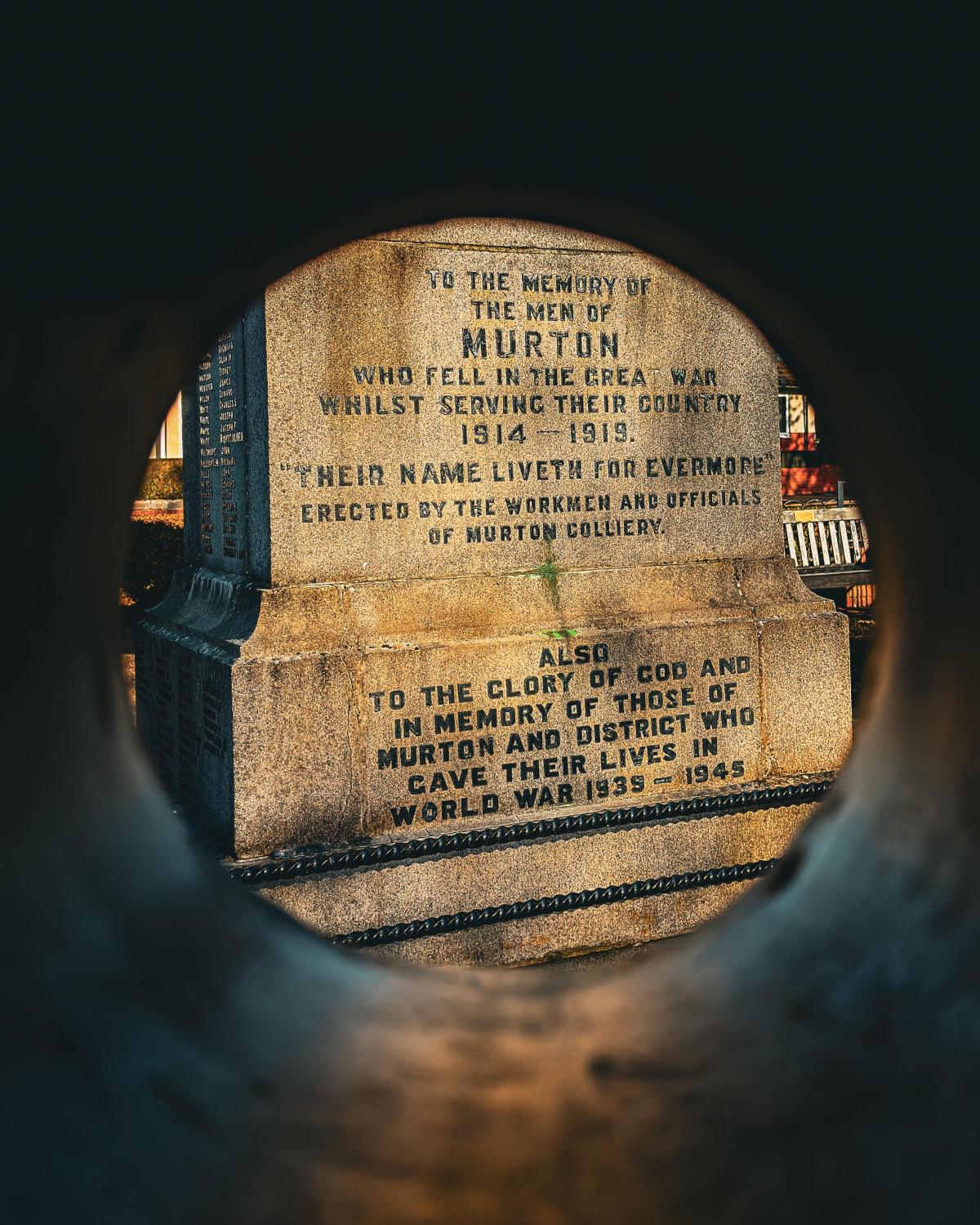
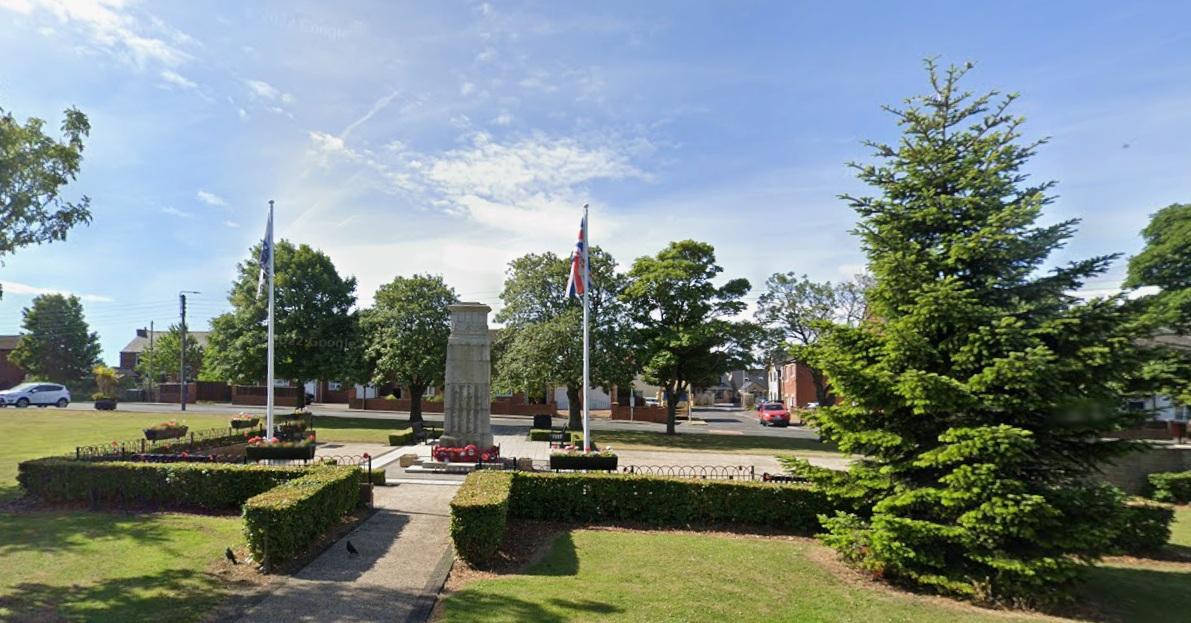


THE war memorial at Murton on the east Durham coast, as seen here by our regular contributor Northern Perspectives, is unusual for several reasons.

Firstly, as discussed below, although it says it is dedicated to the 217 men who gave their lives, it features the name of one woman, Nurse Elizabeth Elliott.

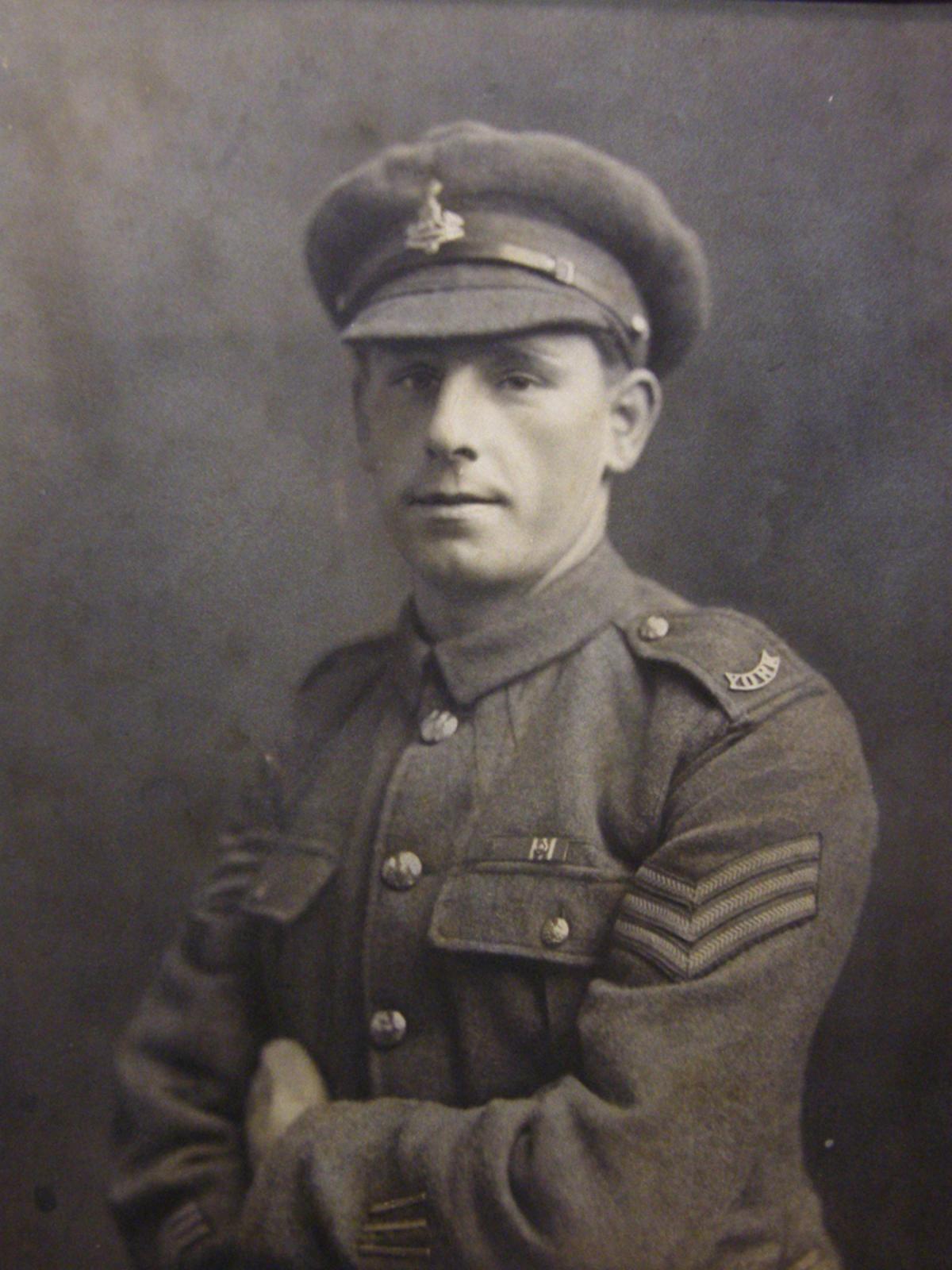
Secondly, it is connected to Sgt William McNally, of the Green Howards, who won the Victoria Cross in Italy in 1918 for single-handedly over-running an enemy machine gun post. He was present when the memorial was unveiled, on January 21, 1922, and when he died in 1976, aged 81, a plaque dedicated to him was unveiled nearby by his widow, Elizabeth.
Then, as the picture shows, the wording says the memorial was “erected by the Workmen and Officials of Murton Colliery”. Most village memorials, which include names of the fallen from all walks of life, are municipal or committee affairs but this one was created by the colliery – although the colliery probably was Murton.
And, fourthly, this 12ft memorial, made of Aberdeen granite, is unusual because it is a scaled-down version of Sir Edward Lutyens’ 33ft tall cenotaph in Whitehall, in London, that was unveiled on July 19, 1919.
Plus, finally, Northern Perspectives has found a highly unusual angle to concentrate the mind on the meaning of the memorial. The picture is taken through the broken heart of Ray Lonsdale’s sculpture, Children of Mothers, which was unveiled nearby in 2023.

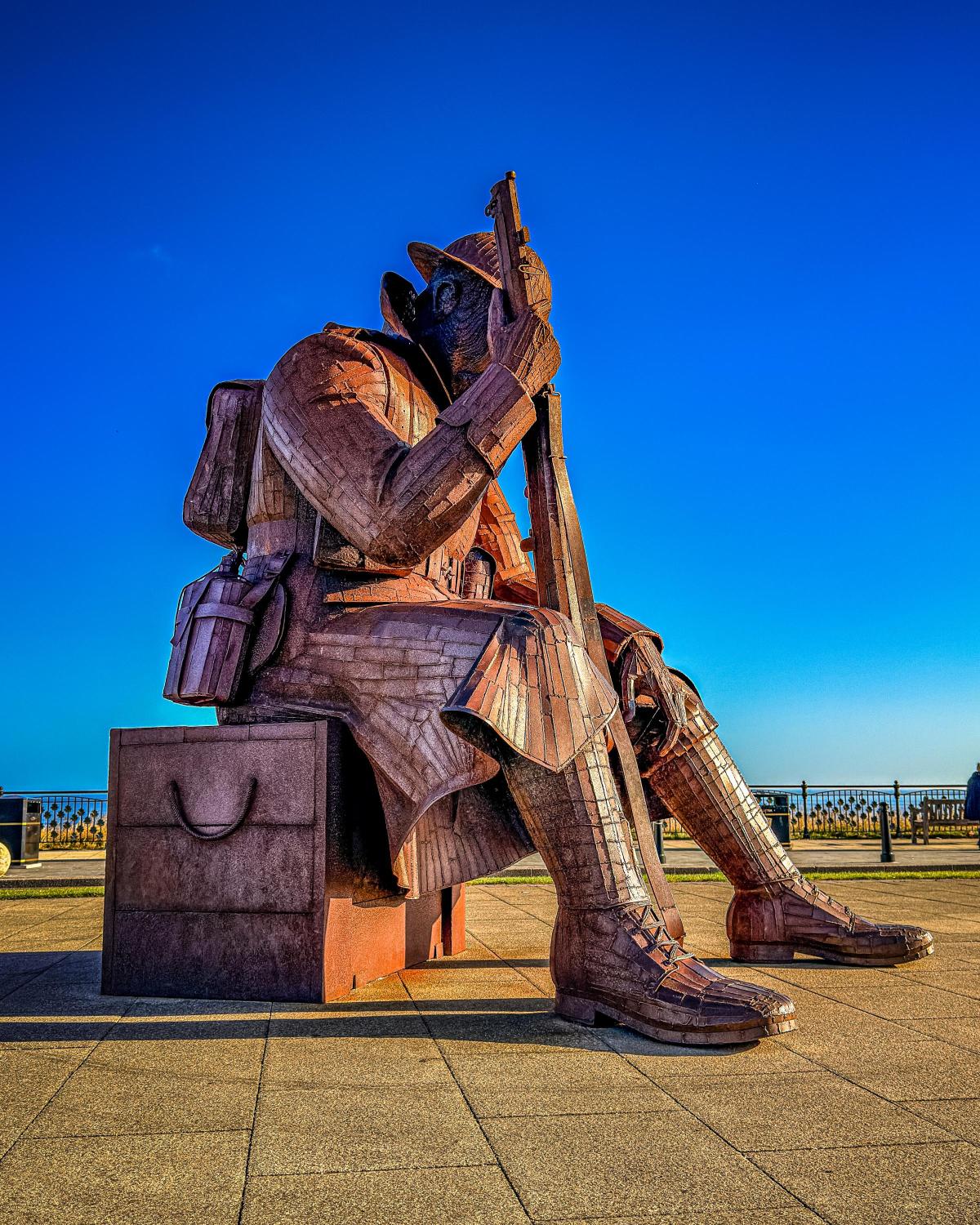
We are also grateful to him for today’s front cover portrait of Tommy, the Ray Lonsdale statue at Seaham which has become such a focal point for the North East’s remembrance.
These down-to-earth images are unusual for the Durham cameraman whose pictures are usually airborne, taken by his drones to shed new light on our beautiful and historic countryside.
To see more of his amazing work, search “Northern Perspectives” on Facebook.

THERE are about 70,000 war memorials in the country but probably only a few hundred of them contain the names of women who died on active service during the First World War – no one has actually counted them.
Indeed, there doesn’t seem to be an accurate figure anywhere of the number of women who were killed.

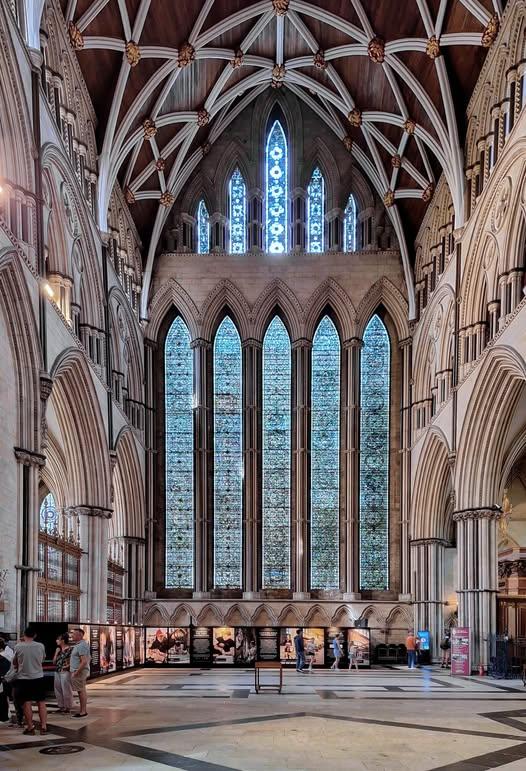
The closest is 1,514, which is the number of names on an oak screen in York Minster near the Five Sisters Window.
The Duchess of York, later the Queen Mother, unveiled the newly restored window in 1925 when it was rededicated to the women who had died in the war.
Among the names on the oak panels is that of Edith Cavell, the nurse who was executed by German firing squad in 1915 in Belgium for helping 200 Allied soldiers escape.
But the list is far from complete.
Because it does not seem to include the name of Elizabeth Elliott who does feature on the Murton memorial in east Durham.

The memorial is famed because of its connection to pitman William McNally, the colliery’s Victoria Cross winner who was present when the memorial was unveiled on January 21, 1922.
But the inclusion of Elizabeth’s name makes it a most unusual monument.
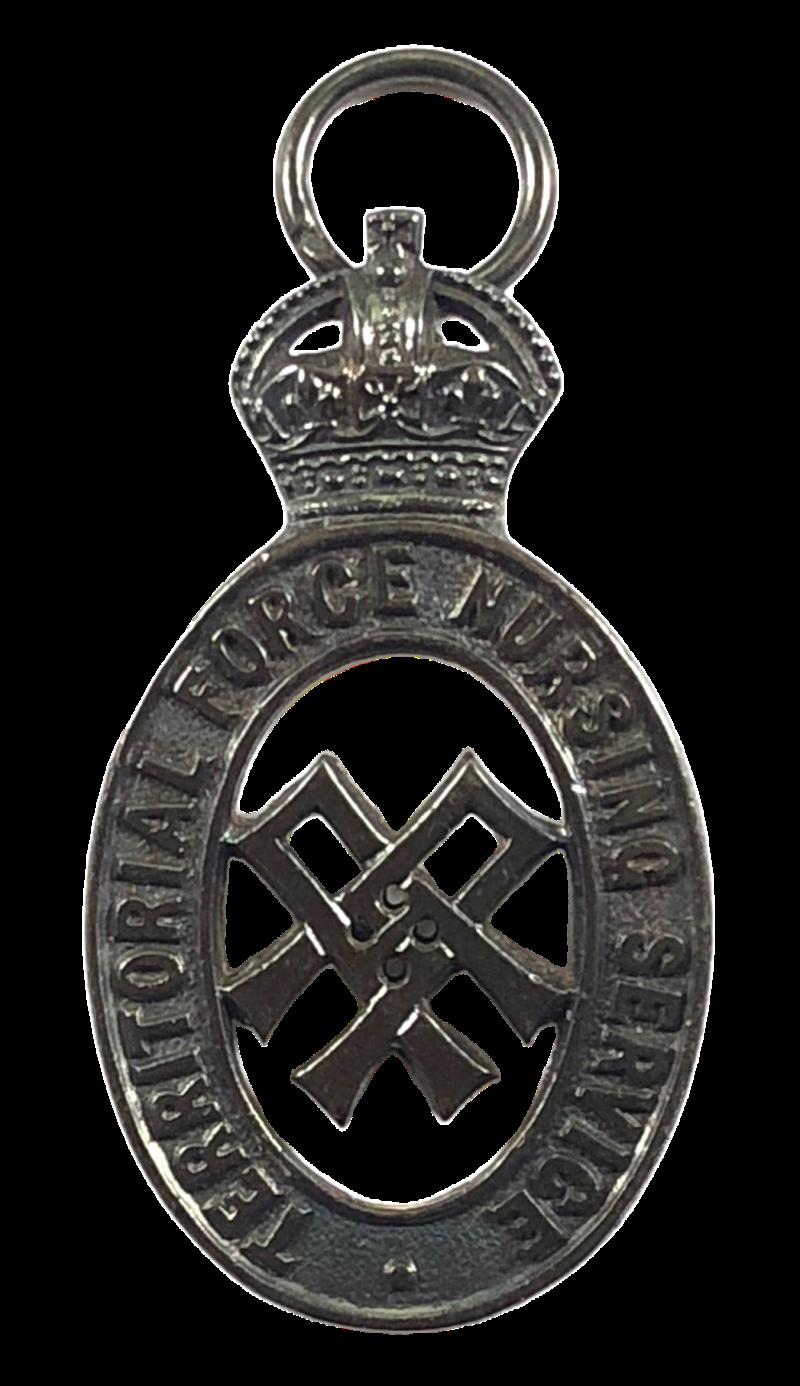
Elizabeth was born in Murton in 1894, and she shared a home with her parents, Alice and Thomas, at 6, Pilgrim Street. She trained as a nurse in Newcastle and became one of 8,140 nurses to work for the Territorial Force Nursing Service. She was sent to the 1st Western General Hospital in Fazakerley, Liverpool, to help treat soldiers injured on the frontline.

Recommended reading
Escomb’s 1,300-year-old Saxon church emerges in stunning drone image
Drone's eye view of Cold War nuclear bomber that made its final flight to Sunderland
Poignant letter home reveals hopes of Durham soldier who would never see Christmas
While there, she caught Spanish flu, the devastating epidemic that swept the world. It was particularly deadly to young adults.
Even though suffering, Elizabeth did not give up her work and so her illness turned to pneumonia from which, with her parents around her, she died on October 27, 1918 – a fortnight or so before the armistice.
She was 24.
Confirming that she was regarded as being on active service, on February 3, 1919, her father was granted a gratuity from the government.
And so Elizabeth’s name was included among the 217 on the Murton memorial, which says it is dedicated “to the memory of the men of Murton who fell in the Great War whilst serving their country” – and the one woman.


Share